The Next Big Shift in Personal Computer Technology
 techbest@gmail.com
September 1, 2026
techbest@gmail.com
September 1, 2026
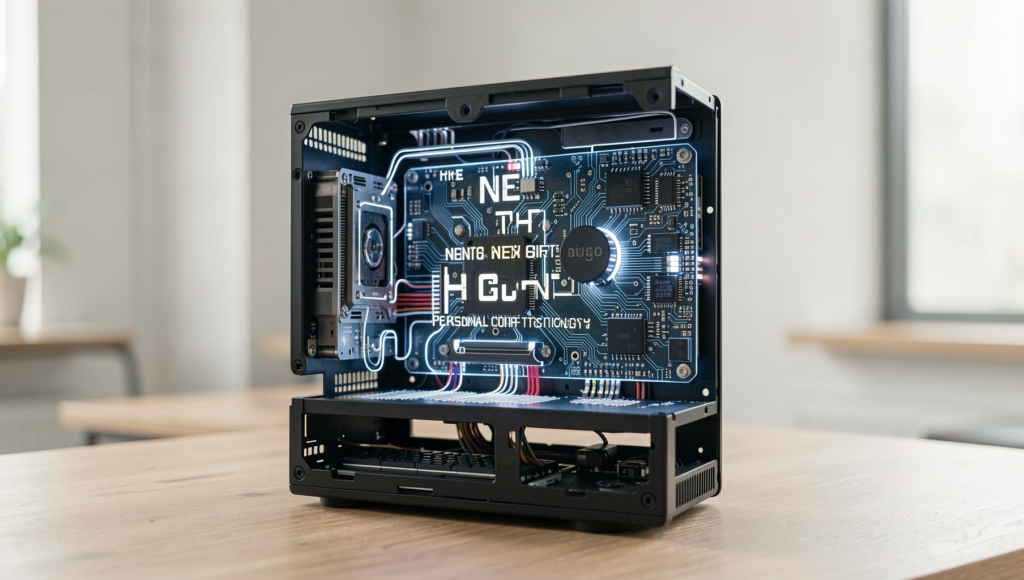
Exploring the future of personal computing technology.
8 min read • 1,622 words
Table of Contents
ToggleThe Next Big Shift in Personal Computer Technology
The next big shift in personal computer technology is on the horizon, promising to transform how we interact with our devices and the world around us. As advancements in quantum computing emerge, users can expect unprecedented processing speeds that will enhance everything from gaming to complex data analysis. This revolution will not only make personal computing faster but also more efficient, allowing users to accomplish tasks that were previously unimaginable.
Additionally, the rise of AI-driven personal assistants is set to redefine user interaction, making devices more intuitive and responsive to individual needs. Coupled with innovations like foldable and flexible display technology, the form factors of personal computers will evolve, providing users with versatile options that fit their lifestyles. Furthermore, advancements in battery technology will lead to longer-lasting devices, while cloud computing continues to shift processing power away from local machines, enabling lighter, more portable solutions. In this article, readers will explore these exciting developments and their implications for the future of personal computing.
The Evolution of Personal Computers
The journey of personal computer technology has been marked by significant milestones that have shaped the way we interact with technology today. From the early days of bulky mainframes to the sleek devices we use now, each advancement has brought us closer to a more integrated and user-friendly experience. The introduction of the first personal computers in the late 1970s, such as the Apple II and IBM PC, revolutionized computing by making it accessible to the general public. These machines laid the groundwork for the personal computing era, allowing users to perform tasks that were once confined to large institutions.
As hardware technology progressed, the user experience improved dramatically. The transition from monochrome displays to vibrant color screens, the introduction of graphical user interfaces, and the development of faster processors have all contributed to a more intuitive interaction with computers. For instance, the shift from floppy disks to hard drives and later to solid-state drives (SSDs) not only increased storage capacity but also enhanced data retrieval speeds, allowing users to work more efficiently.
- 1981: IBM introduces its first personal computer.
- 1995: Windows 95 is released, popularizing the graphical user interface.
- 2006: The introduction of dual-core processors enhances multitasking capabilities.
- 2010: The rise of tablets and smartphones begins to shift user preferences.
The transition from desktops to laptops and mobile devices marked another pivotal moment in personal computing. Laptops became increasingly powerful, offering desktop-like performance in a portable format. This shift was further accelerated by the advent of smartphones, which have now become essential tools for communication and productivity. As a result, users began to prioritize mobility and convenience over traditional desktop setups.
In recent years, the emergence of cloud computing has further influenced the landscape of personal computers. With the ability to store and access data remotely, users can now work from virtually anywhere, reducing the reliance on local storage. This shift not only enhances collaboration but also allows for seamless updates and access to powerful applications without the need for high-end hardware. As we look ahead, the next big shift in personal computer technology will likely continue to build on these advancements, further blurring the lines between devices and redefining how we interact with technology.
Emerging Technologies Shaping the Future
The next big shift in personal computer technology is being driven by several emerging technologies that are set to redefine how we interact with our devices. One of the most significant influences is artificial intelligence (AI). AI is not just a tool for automation; it is evolving into a core component of personal computing. With advancements in machine learning and natural language processing, computers are becoming more intuitive, allowing users to interact with them in more natural ways. For example, virtual assistants like Siri and Google Assistant are now capable of understanding context and providing personalized responses, making daily tasks more efficient.
Another transformative technology is the integration of augmented reality (AR) and virtual reality (VR) into personal computing. These technologies are not limited to gaming; they are being utilized in various fields such as education, healthcare, and remote work. For instance, AR applications can overlay digital information onto the physical world, enhancing learning experiences. In contrast, VR can create immersive environments for training simulations, allowing users to practice skills in a safe setting. Companies like Microsoft and Oculus are leading the charge in developing hardware and software solutions that facilitate these experiences.
Advancements in quantum computing also promise to have profound implications for personal computing. While still in its infancy, quantum computing has the potential to solve complex problems that are currently beyond the reach of classical computers. This could lead to breakthroughs in fields such as cryptography, drug discovery, and optimization problems. As quantum technology matures, it may eventually become accessible for personal use, fundamentally changing the landscape of computing.
Finally, the development of flexible and foldable displays is revolutionizing hardware design. These displays allow for innovative form factors, enabling devices that can transform from a smartphone into a tablet or even a laptop. Companies like Samsung and LG are at the forefront of this technology, creating devices that not only save space but also enhance user experience by providing more screen real estate.
- Artificial Intelligence: Enhancing user interaction and efficiency.
- Augmented and Virtual Reality: Transforming education and remote work.
- Quantum Computing: Potential for solving complex problems.
- Flexible Displays: Innovative designs for versatile devices.
User Experience and Interface Innovations
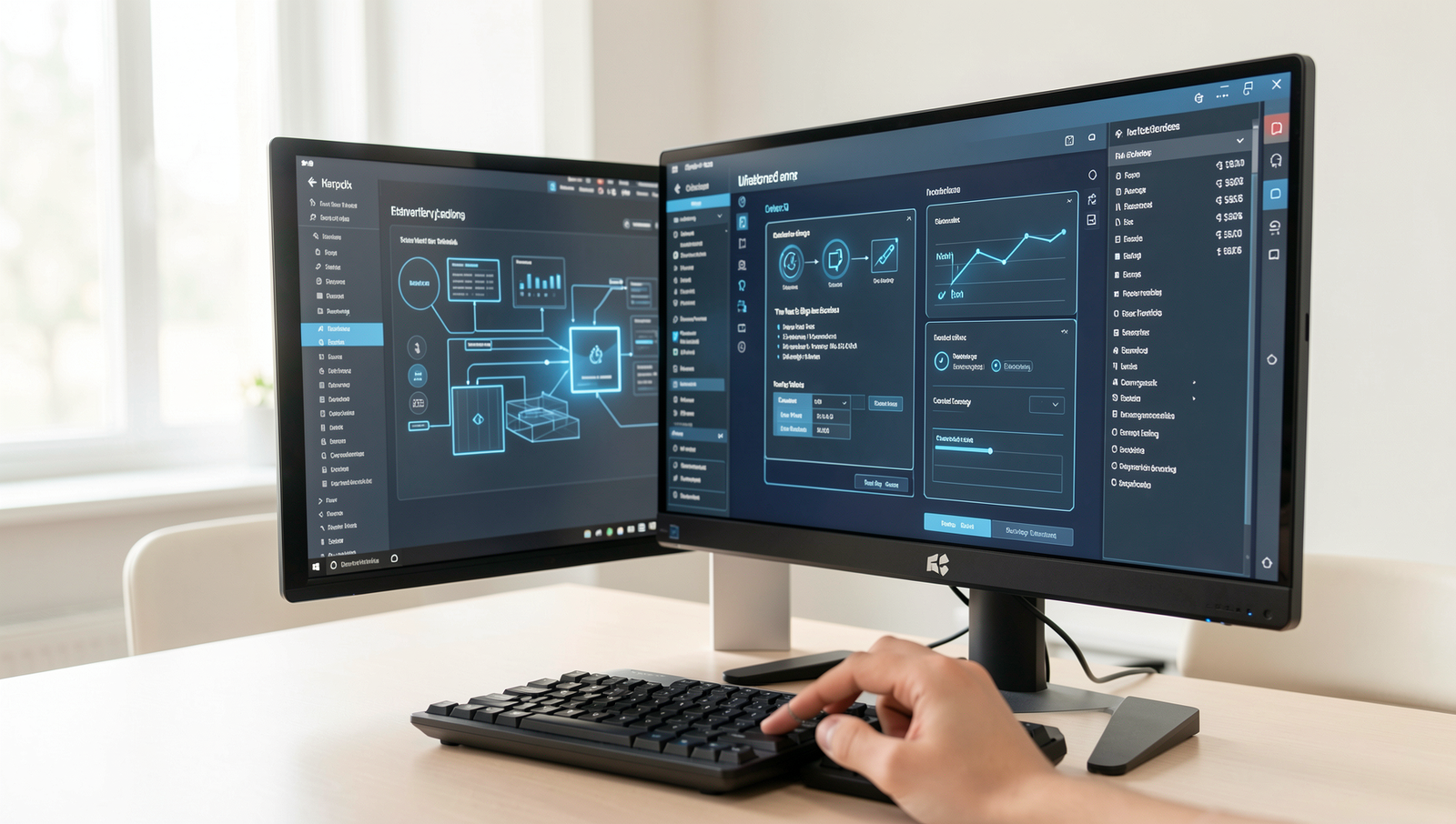
The next big shift in personal computer technology is characterized by significant advancements in user experience and interface innovations. As technology evolves, the way we interact with our devices is also changing, moving towards more intuitive and accessible methods.
One of the most notable trends is the shift towards voice and gesture-based controls. Voice recognition technology has improved dramatically, allowing users to perform tasks hands-free. For instance, virtual assistants like Siri, Google Assistant, and Alexa enable users to dictate commands, search the web, or control smart home devices simply by speaking. Gesture-based controls, popularized by devices such as the Microsoft Kinect, allow users to navigate interfaces through physical movements, making interaction more dynamic and engaging.
Another significant aspect of this shift is the personalization enabled by machine learning algorithms. These algorithms analyze user behavior and preferences, tailoring the computing experience to individual needs. For example, operating systems can learn which applications a user frequently accesses and prioritize them, enhancing efficiency. Additionally, personalized recommendations in software applications can streamline workflows and improve productivity.
The impact of touch interfaces on design and usability cannot be overstated. Touchscreens have become ubiquitous, influencing the design of software and hardware alike. The simplicity of tapping, swiping, and pinching gestures has led to more user-friendly interfaces. Designers now prioritize touch interactions, ensuring that applications are optimized for both touch and traditional input methods.
- Enhanced multitasking capabilities through gesture controls.
- More engaging user experiences with immersive interfaces.
- Increased accessibility for users with disabilities through adaptive technologies.
Finally, accessibility improvements are a crucial part of this evolution. Technology is increasingly designed to accommodate diverse user needs, ensuring that everyone can benefit from advancements in personal computing. Features like screen readers, voice commands, and customizable interfaces empower users with disabilities, making technology more inclusive.
In conclusion, the next big shift in personal computer technology is reshaping how we interact with our devices, emphasizing user experience, personalization, and accessibility.
The Future of Connectivity and Performance
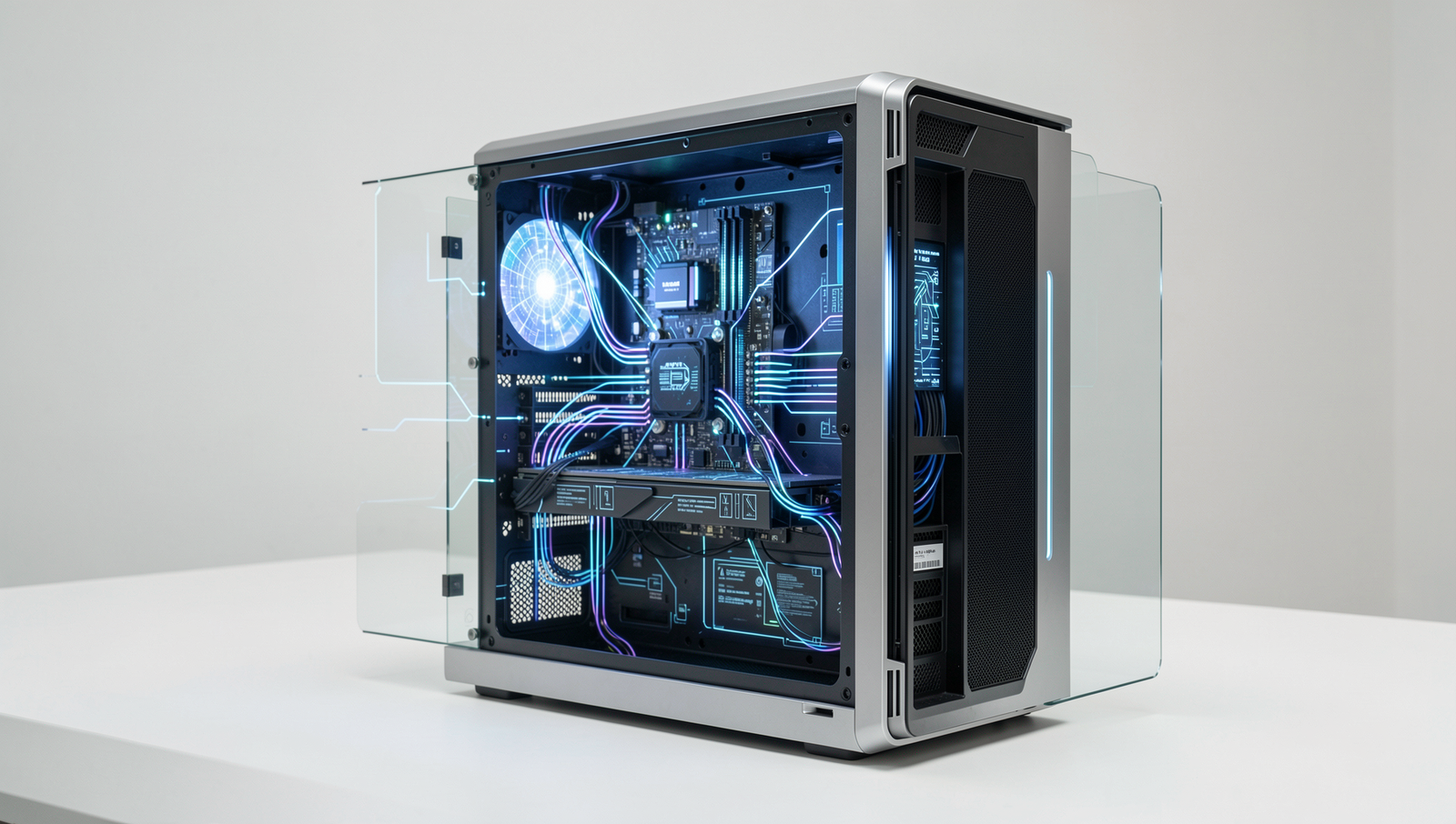
The next big shift in personal computer technology is poised to be significantly influenced by advancements in connectivity and performance. One of the most promising developments is the rollout of 5G technology. This new generation of wireless connectivity offers lightning-fast internet speeds and reduced latency, which can revolutionize how PCs interact with the cloud and other devices. With 5G, users can expect seamless streaming, faster downloads, and enhanced online gaming experiences, all of which contribute to a more integrated and efficient computing environment.
In addition to connectivity, trends in hardware performance enhancements are also shaping the future of personal computing. Manufacturers are increasingly focusing on developing more powerful processors and graphics cards that can handle demanding applications, such as virtual reality and artificial intelligence. For instance, the introduction of multi-core processors and advanced GPUs allows for better multitasking and improved graphics rendering, making PCs more capable than ever before.
Sustainability and energy efficiency are becoming critical considerations in PC design. As environmental concerns grow, manufacturers are striving to create energy-efficient devices that minimize power consumption without sacrificing performance. Innovations such as solid-state drives (SSDs) and low-power components are examples of how technology is evolving to meet these demands. Additionally, many companies are adopting eco-friendly materials and practices in their production processes, further contributing to sustainability efforts.
Edge computing is another vital aspect of the next big shift in personal computer technology. By processing data closer to the source, edge computing reduces the need for constant data transfer to centralized servers, resulting in faster response times and less bandwidth usage. This is particularly beneficial for applications that require real-time data processing, such as smart home devices and IoT systems. As edge computing becomes more prevalent, PCs will be better equipped to handle a variety of tasks efficiently.
- 5G technology enhances connectivity and reduces latency.
- Hardware performance is improving with advanced processors and GPUs.
- Sustainability is a focus with energy-efficient designs.
- Edge computing allows for faster data processing and reduced bandwidth usage.
As these trends converge, the future of personal computing looks promising, paving the way for a more connected, efficient, and sustainable digital landscape.
Conclusion
As we stand on the brink of the next big shift in personal