Inside Modern Batteries: What Really Causes Capacity Loss
 techbest@gmail.com
September 1, 2026
techbest@gmail.com
September 1, 2026
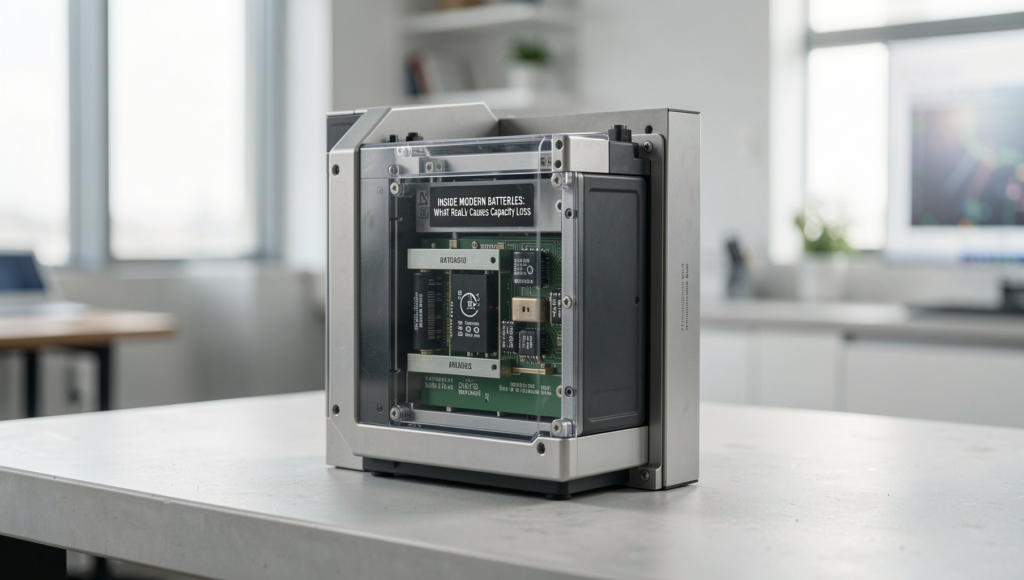
Exploring the intricacies of battery capacity loss.
8 min read • 1,639 words
Table of Contents
ToggleInside Modern Batteries: What Really Causes Capacity Loss
Battery capacity loss is a critical issue that affects the performance and longevity of lithium-ion batteries, which are widely used in everything from smartphones to electric vehicles. Understanding the factors that contribute to this phenomenon is essential for consumers and manufacturers alike. As technology advances, the demand for efficient and durable batteries increases, making it vital to explore the underlying causes of capacity loss.
In this article, we will delve into the primary reasons behind battery capacity loss, including electrolyte decomposition, cycle aging, and the effects of high temperatures. Readers will learn how fast charging can lead to lithium plating, which not only reduces capacity but also poses risks such as short circuits. Additionally, we will discuss how high voltage can induce structural changes in cathode materials, further impacting battery performance. By gaining insight into these processes, you can make informed decisions about battery usage and maintenance.
Understanding Battery Chemistry
Batteries are essential components in modern technology, powering everything from smartphones to electric vehicles. The most common types of batteries include lithium-ion (Li-ion) and nickel-metal hydride (NiMH). Each type has its own unique chemistry and characteristics, which influence their performance and longevity. Understanding these differences is crucial for grasping the concept of battery capacity loss.
Li-ion batteries are widely used due to their high energy density and low self-discharge rates. They operate through the movement of lithium ions between the anode and cathode during charging and discharging. In contrast, NiMH batteries utilize nickel and hydrogen, where the chemical reactions involve the absorption and release of hydrogen ions. These reactions are fundamental to the energy storage and release processes in both battery types.
The role of electrolytes and separators is vital in battery performance. The electrolyte facilitates the movement of ions, while separators prevent short circuits by keeping the anode and cathode apart. The choice of electrolyte can greatly affect the battery’s efficiency and safety. For instance, in Li-ion batteries, organic solvents are commonly used, while NiMH batteries typically employ alkaline electrolytes.
Temperature also plays a significant role in the chemical stability of batteries. High temperatures can accelerate chemical reactions, leading to increased wear and potential capacity loss. Conversely, low temperatures can slow down these reactions, reducing the battery’s ability to deliver power effectively. Here are some key points regarding temperature effects:
- High temperatures can lead to thermal runaway, causing safety hazards.
- Low temperatures can result in reduced ion mobility, affecting performance.
- Optimal operating temperatures are crucial for maintaining battery health.
In summary, understanding the chemistry behind battery types, the role of electrolytes and separators, and the impact of temperature is essential for addressing battery capacity loss and improving overall battery performance.
Mechanisms of Capacity Loss
Battery capacity loss is a critical issue that affects the performance and longevity of modern batteries, particularly lithium-ion types. Understanding the mechanisms behind this phenomenon is essential for improving battery technology. One of the primary contributors to capacity loss is the formation of the solid electrolyte interphase (SEI). The SEI forms on the anode surface during the initial charge cycles and acts as a protective layer. However, while it stabilizes the anode, it can also consume lithium ions, leading to a reduction in the available lithium for intercalation during subsequent cycles. This consumption ultimately results in diminished capacity over time.
Another significant factor in battery capacity loss is electrode degradation due to cycling and aging. As batteries undergo repeated charge and discharge cycles, the mechanical stress on the electrodes can cause structural changes. For instance, the active materials in the electrodes may crack or become dislodged, reducing the effective surface area available for electrochemical reactions. This degradation is accelerated by high charge rates and elevated temperatures, which can further exacerbate the loss of capacity.
Lithium plating and dendrite formation are also critical issues that can lead to capacity loss. Under certain conditions, such as low temperatures or high charge rates, lithium can deposit on the anode surface instead of intercalating into the material. This plating can form dendrites, which are needle-like structures that can penetrate the separator and cause short circuits, posing safety risks and further reducing capacity.
Lastly, electrolyte decomposition plays a vital role in capacity loss. Over time, the electrolyte can break down due to high voltages or elevated temperatures, leading to the formation of unwanted byproducts that can hinder ion transport. This degradation not only affects the battery’s performance but can also contribute to increased internal resistance, further exacerbating capacity loss.
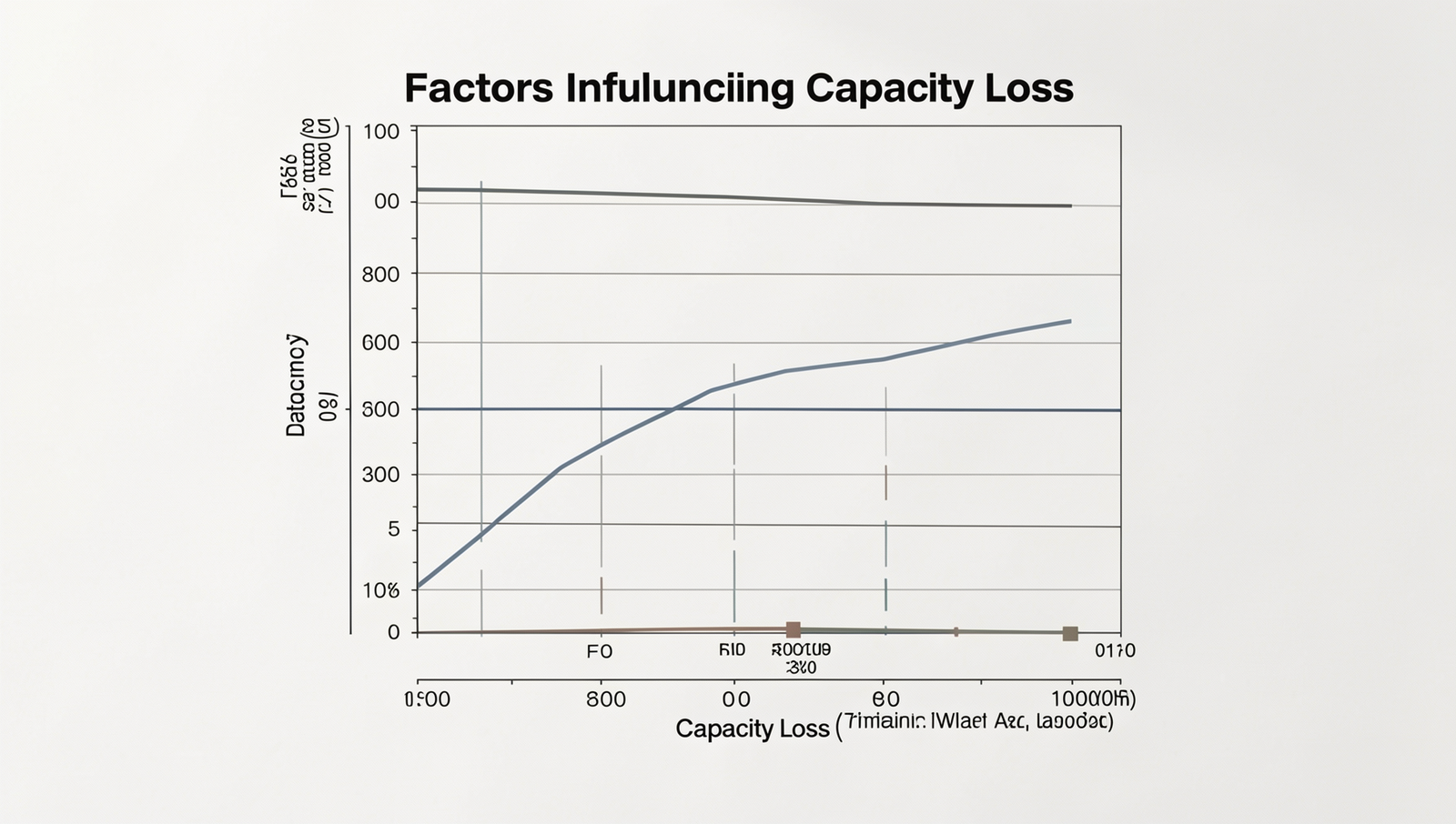
Factors Influencing Capacity Loss
Battery capacity loss is a critical issue that affects the performance and longevity of modern batteries. Several factors contribute to this phenomenon, each playing a significant role in determining how well a battery retains its charge over time. Understanding these factors can help users maximize battery life and efficiency.
One of the primary influences on battery capacity loss is temperature fluctuations. Extreme temperatures, both hot and cold, can adversely affect the chemical reactions within a battery. For instance, high temperatures can accelerate degradation processes, leading to faster capacity loss. Conversely, low temperatures can slow down these reactions, resulting in reduced performance and temporary capacity loss. A practical example is lithium-ion batteries, which are commonly used in smartphones and electric vehicles. These batteries perform optimally at room temperature, and prolonged exposure to extreme conditions can significantly shorten their lifespan.
Another important factor is the charge and discharge rates. Fast charging and discharging can lead to increased stress on the battery, causing more rapid capacity loss. For example, charging a battery at a rate higher than its recommended specifications can generate excess heat, further degrading the battery’s materials. Users should aim to charge their devices at moderate rates to preserve battery health.
Cycle life and depth of discharge are also critical considerations. Each charge and discharge cycle contributes to the wear and tear of the battery. Deep discharges, where the battery is drained to very low levels before recharging, can lead to increased capacity loss over time. It is generally recommended to keep the battery charge between 20% and 80% to optimize its cycle life.
Lastly, the quality of materials used in battery construction can significantly impact capacity retention. Impurities in battery components can lead to unwanted chemical reactions, further accelerating capacity loss. High-quality materials and manufacturing processes can mitigate these effects, ensuring better performance and longevity.
Mitigation Strategies for Capacity Loss
As battery technology continues to evolve, researchers and manufacturers are focusing on various strategies to mitigate battery capacity loss. These strategies encompass advancements in materials, smart charging techniques, thermal management systems, and future research directions.
One of the most significant advancements in battery technology is the development of new materials that enhance energy density and longevity. For instance, lithium-silicon anodes are being explored as alternatives to traditional graphite anodes. These materials can potentially offer higher capacity and reduce the rate of capacity loss over time. Additionally, solid-state batteries are gaining attention for their ability to eliminate the liquid electrolyte, which can degrade and contribute to capacity loss.
Smart charging techniques are also critical in optimizing battery lifespan. By utilizing algorithms that monitor the state of charge and temperature, these systems can adjust charging rates to prevent overcharging and excessive heat generation. For example, some electric vehicles now feature charging systems that slow down the charging process as the battery approaches full capacity, thereby reducing stress on the battery and extending its life.
Thermal management systems play a vital role in maintaining optimal temperatures for battery operation. Batteries perform best within a specific temperature range, and overheating can accelerate capacity loss. Advanced cooling systems, such as liquid cooling or phase change materials, are being integrated into battery packs to ensure that temperatures remain stable during operation.
Looking ahead, future research directions in battery technology are promising. Scientists are investigating new chemistries, such as sodium-ion and magnesium-ion batteries, which may offer improved performance and reduced capacity loss. Additionally, the integration of artificial intelligence in battery management systems could lead to more efficient monitoring and maintenance, further extending battery life.
- Advancements in lithium-silicon and solid-state batteries
- Implementation of smart charging algorithms
- Utilization of advanced thermal management systems
- Exploration of alternative battery chemistries
Conclusion
In summary, understanding battery capacity loss is crucial for anyone relying on modern batteries, whether in consumer electronics, electric vehicles, or renewable energy storage. The primary factors contributing to capacity loss include chemical degradation, temperature fluctuations, and charge/discharge cycles. By recognizing these elements, users can take proactive measures to mitigate the impact of capacity loss, such as optimizing charging habits and maintaining ideal temperature conditions. This knowledge empowers consumers and manufacturers alike to enhance battery longevity and performance.
Looking ahead, the next steps involve continued research and development in battery technology. Innovations in materials and design can lead to batteries that not only last longer but also charge faster and operate more efficiently. As we strive for a more sustainable future, addressing battery capacity loss will play a vital role in maximizing the potential of renewable energy sources and reducing our carbon footprint. Embracing these advancements will ultimately benefit both consumers and the environment.
Frequently Asked Questions
What causes capacity loss in modern batteries?
Capacity loss in modern batteries primarily occurs due to chemical reactions within the battery that degrade its materials over time. Factors such as electrode wear, electrolyte decomposition, and the formation of solid electrolyte interphase (SEI) layers contribute significantly to this degradation process.
How does temperature affect battery capacity?
Temperature plays a crucial role in battery performance. High temperatures can accelerate chemical reactions, leading to faster capacity loss, while low temperatures can reduce the battery’s ability