Tech Explained: Why Modern Devices Generate So Much Heat
 techbest@gmail.com
September 1, 2026
techbest@gmail.com
September 1, 2026
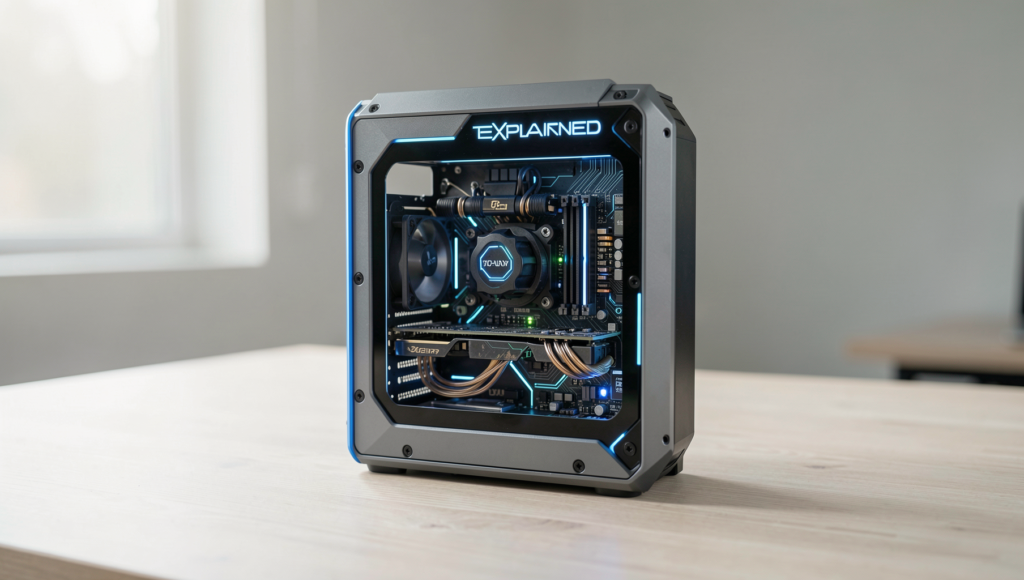
Exploring heat generation in modern technology.
7 min read • 1,561 words
Table of Contents
ToggleTech Explained: Why Modern Devices Generate So Much Heat
In today’s fast-paced technological landscape, understanding heat generation in modern devices is crucial for both consumers and manufacturers. As devices become increasingly compact and powerful, the amount of heat they produce has risen significantly. This phenomenon is primarily due to the enhanced processing power of components like CPUs and GPUs, which generate substantial heat during intensive tasks. Additionally, the miniaturization of these components has led to higher heat density, making effective cooling solutions more challenging.
This article will delve into the reasons behind heat generation in modern devices, exploring factors such as inefficient power conversion and poor ventilation design. By understanding these elements, readers will gain insights into the importance of thermal management in technology, the implications for device performance, and potential solutions to mitigate heat-related issues. Stay tuned to learn how these factors affect your everyday devices and what can be done to improve their efficiency.
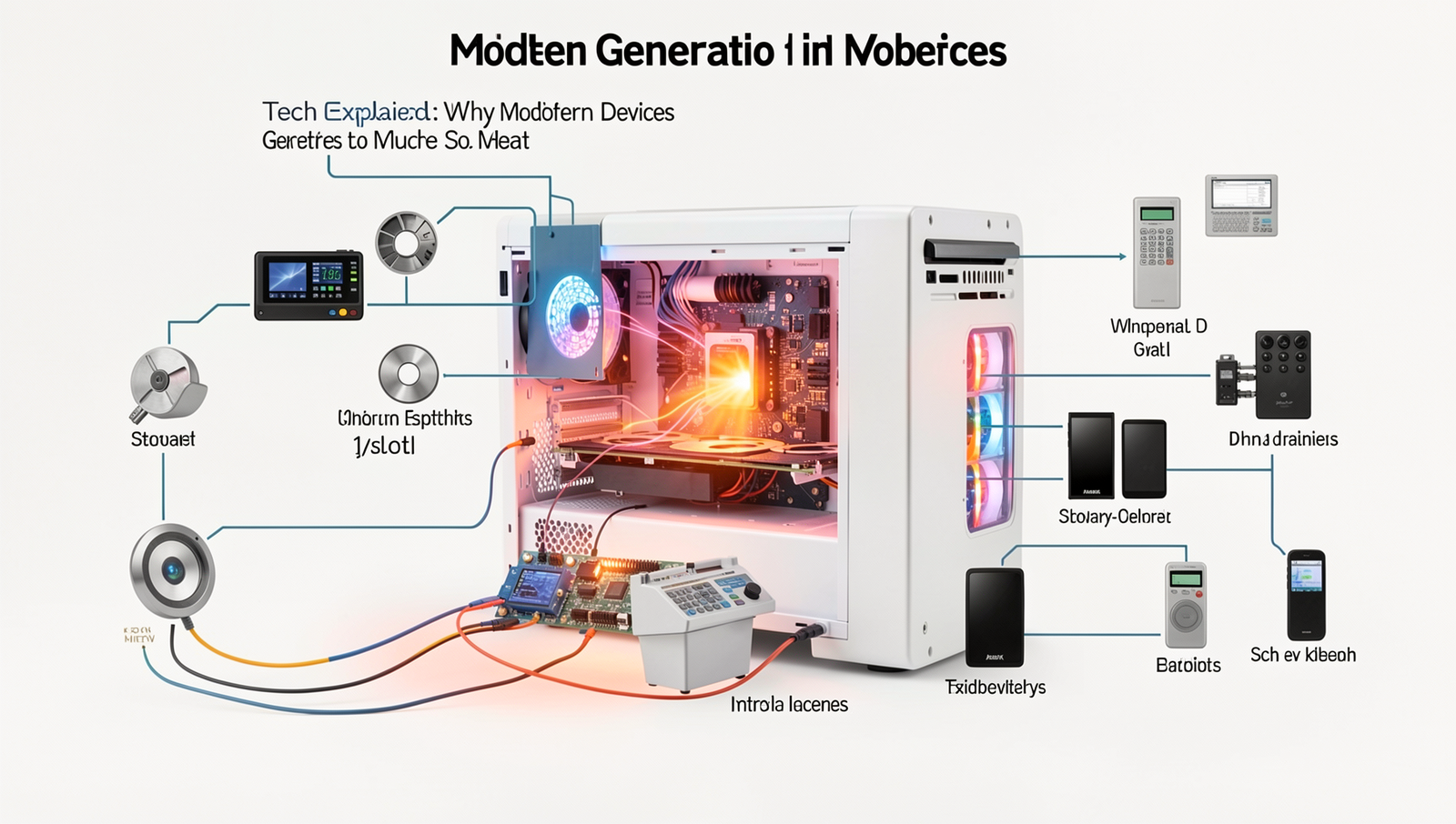
Introduction to Heat Generation in Modern Devices
Heat generation in modern devices is an inevitable byproduct of their operation. As technology advances, the components within these devices become smaller and more powerful, leading to increased energy consumption and, consequently, more heat. Understanding this phenomenon is crucial for optimizing performance and ensuring longevity in electronics.
One key aspect to consider is the relationship between heat and device performance. Excessive heat can lead to thermal throttling, where a device reduces its performance to prevent overheating. This is particularly noticeable in high-performance devices like gaming laptops and smartphones, where sustained performance is essential. Therefore, effective heat management is vital for maintaining optimal functionality.
There are several common misconceptions regarding heat and efficiency. Many people believe that more heat equates to better performance, which is not true. In fact, efficiency is often measured by how well a device converts energy into useful work without generating excessive heat. For example, energy-efficient processors are designed to perform tasks while minimizing heat output, ultimately leading to longer battery life and enhanced performance.
Historically, heat management in technology has evolved significantly. Early computers relied on bulky fans and heat sinks to dissipate heat, while modern devices utilize advanced materials and designs, such as thermal paste and vapor chambers, to enhance heat dissipation. The development of these technologies reflects the growing importance of managing heat generation in modern devices.
- Understanding heat generation helps in device longevity.
- Efficient designs minimize heat output.
- Advanced cooling technologies have evolved over time.
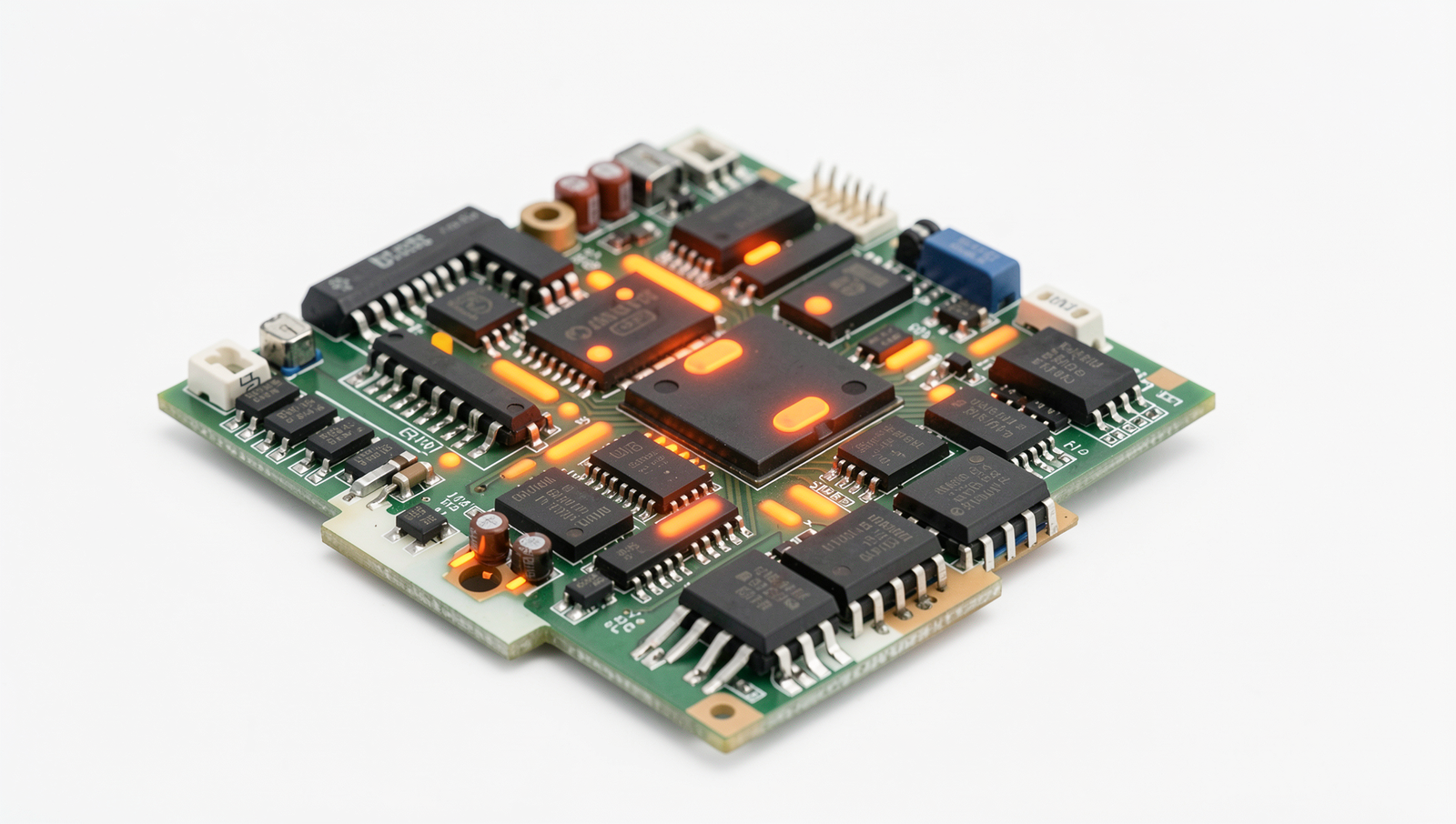
The Role of Components in Heat Production
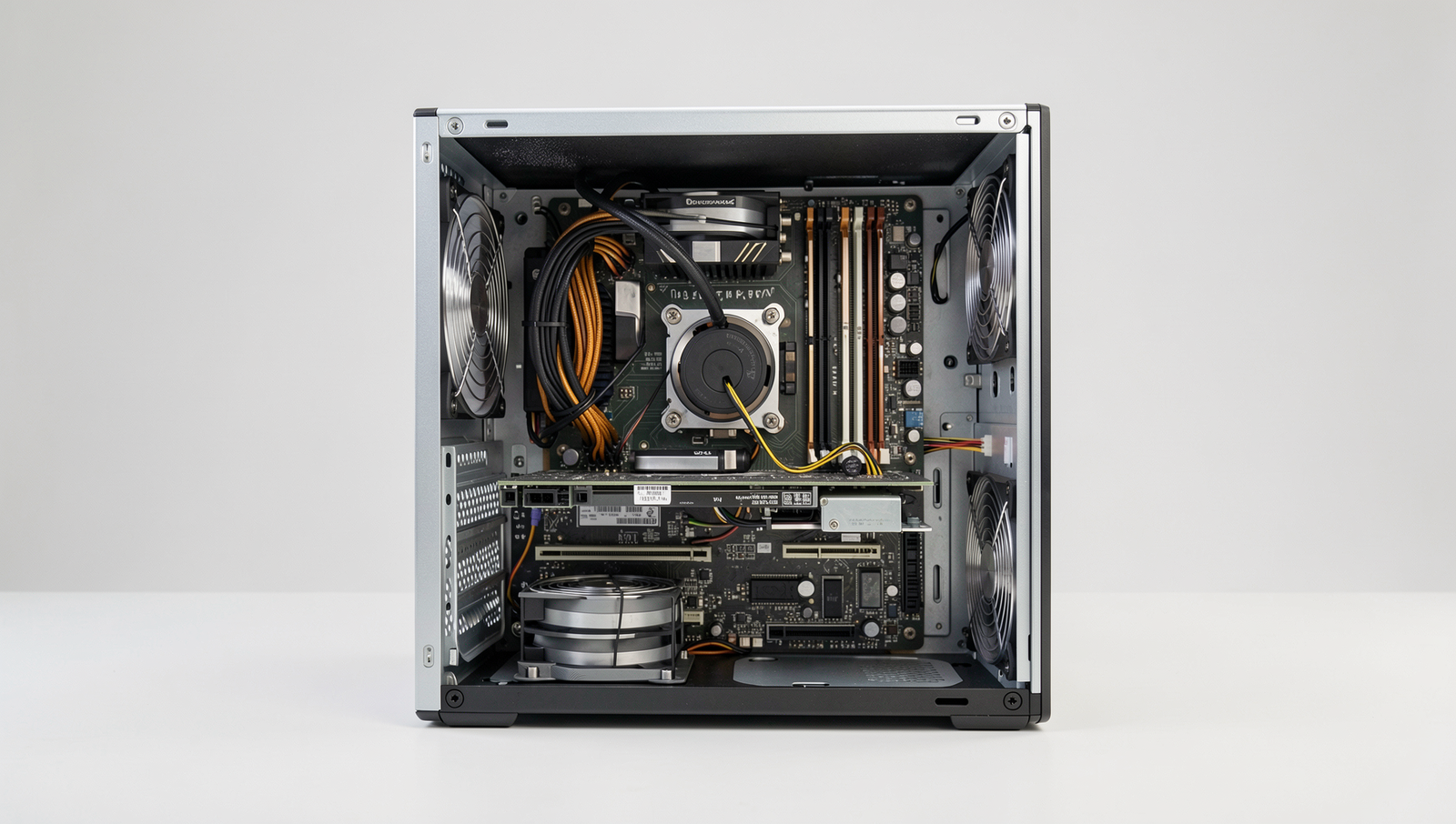
Heat generation in modern devices is a critical aspect that affects performance and longevity. Various components contribute to this phenomenon, with processors and GPUs being the primary culprits. These components generate heat during operation due to their complex architecture and the high speed at which they process data. For instance, when a CPU executes multiple tasks simultaneously, it requires significant electrical energy, which in turn produces heat as a byproduct of electrical resistance.
Power consumption plays a crucial role in determining the amount of heat produced. The higher the power consumption, the more heat is generated. This is particularly evident in high-performance gaming systems or workstations that utilize powerful GPUs. These graphics processing units are designed to handle intensive graphical computations, leading to increased power draw and, consequently, elevated temperatures. For example, a high-end GPU can consume over 300 watts, generating substantial heat that must be managed effectively.
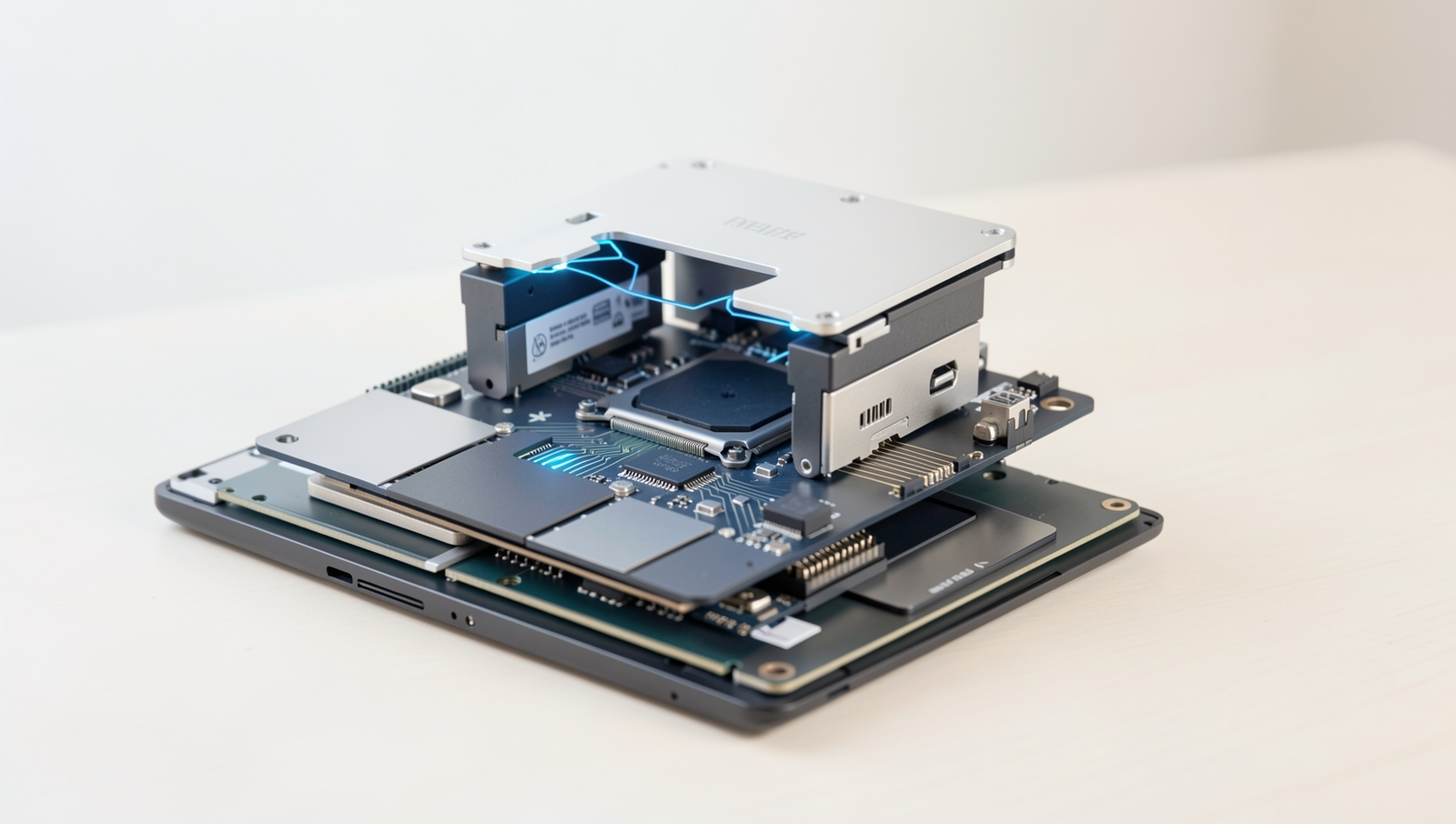
Memory and storage devices also contribute to heat generation. While they may not produce as much heat as CPUs or GPUs, they still generate a notable amount, especially during heavy read/write operations. Solid-state drives (SSDs), for instance, can become warm under load, impacting overall system temperatures.
Lastly, power supply units (PSUs) play a vital role in overall heat production. A PSU converts AC power from the wall into DC power for the computer components. The efficiency of this conversion process affects heat output; less efficient PSUs waste more energy as heat. Therefore, selecting a high-efficiency PSU can help mitigate heat generation in modern devices.
Heat Dissipation Mechanisms
Heat generation in modern devices is a significant concern, especially as technology continues to advance. To manage this heat effectively, various cooling methods are employed, which can be broadly categorized into passive and active cooling techniques.
Passive cooling methods rely on natural heat dissipation without the use of mechanical components. These methods include:
- Heat sinks: These are metal components designed to absorb and disperse heat away from critical areas of a device.
- Thermal paste: This material is applied between heat-generating components and heat sinks to improve thermal conductivity.
- Ventilation: Proper airflow design helps to carry heat away from devices, utilizing the natural movement of air.
On the other hand, active cooling methods involve mechanical systems that actively remove heat. Examples include:
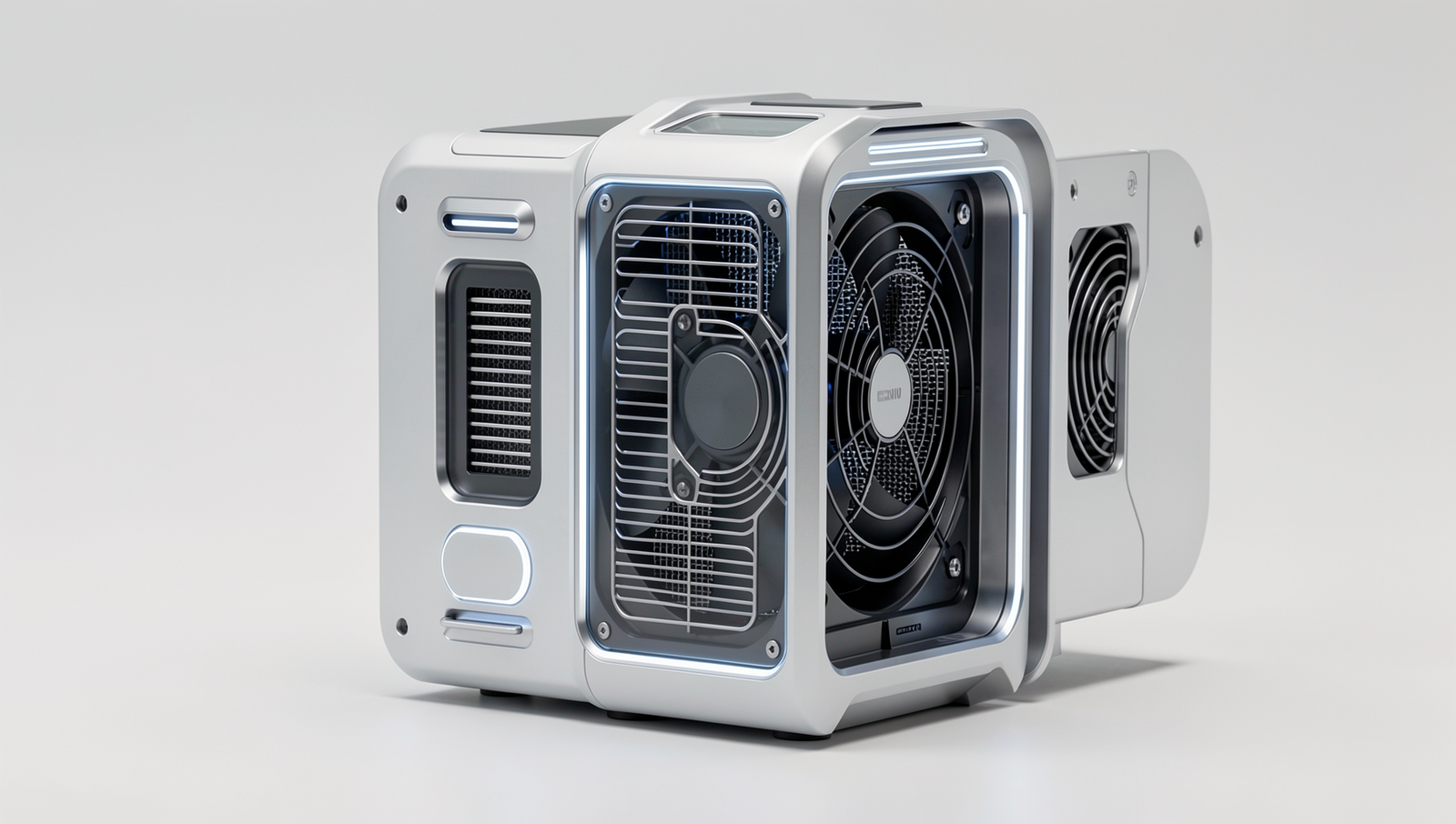
- Fans: These devices circulate air to enhance heat dissipation from components.
- Liquid cooling systems: These systems use liquid coolant to absorb heat and transport it away from the device.
- Peltier coolers: These thermoelectric devices create a temperature difference to move heat away from sensitive components.
The importance of thermal management systems cannot be overstated. Efficient heat dissipation not only prolongs the lifespan of devices but also ensures optimal performance. As technology evolves, emerging technologies in heat management, such as advanced liquid cooling solutions and phase change materials, are being developed to address the increasing demands of modern devices. These innovations promise to enhance the efficiency of heat dissipation, making it possible to push the boundaries of device performance while keeping heat generation in check.
Future Trends in Heat Management Technology
As technology continues to advance, the issue of heat generation in modern devices remains a critical challenge. However, several promising trends in heat management technology are emerging, driven by innovations in materials science, artificial intelligence, and sustainability practices.
One significant advancement is in materials science, where researchers are developing new materials that enhance heat conduction. For instance, graphene and advanced ceramics are being explored for their superior thermal conductivity properties. These materials can help dissipate heat more efficiently, thereby reducing the risk of overheating in devices such as smartphones and laptops.
Another exciting trend is the potential of artificial intelligence (AI) in optimizing thermal management systems. AI can analyze data from devices in real-time, predicting heat generation patterns and adjusting cooling mechanisms accordingly. This dynamic approach can lead to more efficient energy use and prolonged device lifespan, particularly in high-performance computing environments.
Moreover, the ongoing trend of miniaturization in electronics significantly impacts heat generation and dissipation. As components become smaller and more densely packed, the heat produced in a confined space increases. This necessitates innovative cooling solutions, such as advanced heat sinks and liquid cooling systems, to manage the thermal output effectively.
- Development of phase-change materials that absorb and release heat efficiently.
- Integration of microfluidic cooling systems in compact devices.
- Use of thermoelectric materials for energy recovery from waste heat.
Finally, sustainability considerations are becoming increasingly important in heat management technology. Manufacturers are now focusing on eco-friendly materials and energy-efficient cooling solutions, ensuring that the heat generation in modern devices is managed in a way that minimizes environmental impact.
Conclusion
In summary, the heat generation in modern devices is primarily a byproduct of their advanced technology and increased performance capabilities. As devices become more powerful, they require more energy, which in turn leads to greater heat production. Factors such as miniaturization of components, high-performance processors, and energy-intensive applications contribute significantly to this phenomenon. Understanding these elements is crucial for both manufacturers and consumers, as it highlights the importance of effective cooling solutions and energy management in device design.
Looking ahead, it is essential for manufacturers to innovate in thermal management technologies to mitigate heat generation in modern devices. This could involve developing more efficient materials, enhancing cooling systems, or optimizing software to reduce energy consumption. For consumers, being aware of heat generation can inform choices regarding device usage and maintenance, ultimately leading to improved performance and longevity of their electronics. Embracing these advancements will ensure a more sustainable and efficient future in technology.
Frequently Asked Questions
Why do modern devices generate so much heat?
Modern devices generate heat primarily due to their high-performance components, such as processors and graphics cards. These components perform millions of calculations per second, leading to increased energy consumption, which is ultimately converted into heat. Efficient cooling systems are essential to manage this heat.
What factors contribute to heat generation in devices?
Several factors contribute to heat generation, including the type of materials used in manufacturing, the design of the device, and the workload it handles. Intensive tasks like gaming or video editing increase power consumption, resulting in more heat being produced during operation.
Is heat generation harmful to devices?
Excessive heat can be detrimental to devices, leading to reduced performance, shorter lifespan, and potential hardware failure. Overheating can cause components to malfunction or degrade, making effective heat management crucial for maintaining device longevity and reliability.
How can heat generation be managed in devices?
Heat generation can be managed through various methods, including improved airflow, heat sinks, and thermal paste. Additionally, software solutions can optimize performance and reduce workload during less intensive tasks, helping to keep temperatures within safe operating limits.