The New Generation of AI Tools Changing Everyday Computing
 techbest@gmail.com
September 1, 2026
techbest@gmail.com
September 1, 2026

The future of AI tools in everyday computing.
6 min read • 1,331 words
Table of Contents
ToggleThe New Generation of AI Tools Changing Everyday Computing
In recent years, AI tools have become integral to everyday computing, transforming how we interact with technology. These advancements are not just a trend; they represent a significant shift in productivity and user experience. With the rise of natural language processing, users can now communicate with computers more intuitively, making tasks easier and more efficient. This article will explore how AI tools are reshaping our daily routines and enhancing our capabilities.
Moreover, AI-driven automation tools are revolutionizing the workplace by taking over repetitive tasks, allowing individuals to focus on more complex and creative work. Machine learning algorithms have made personal assistants smarter and more responsive, adapting to user preferences over time. Additionally, in creative fields, AI tools are empowering artists and designers to generate innovative ideas and solutions. Readers will gain insights into these transformative technologies and understand their implications for the future of computing.
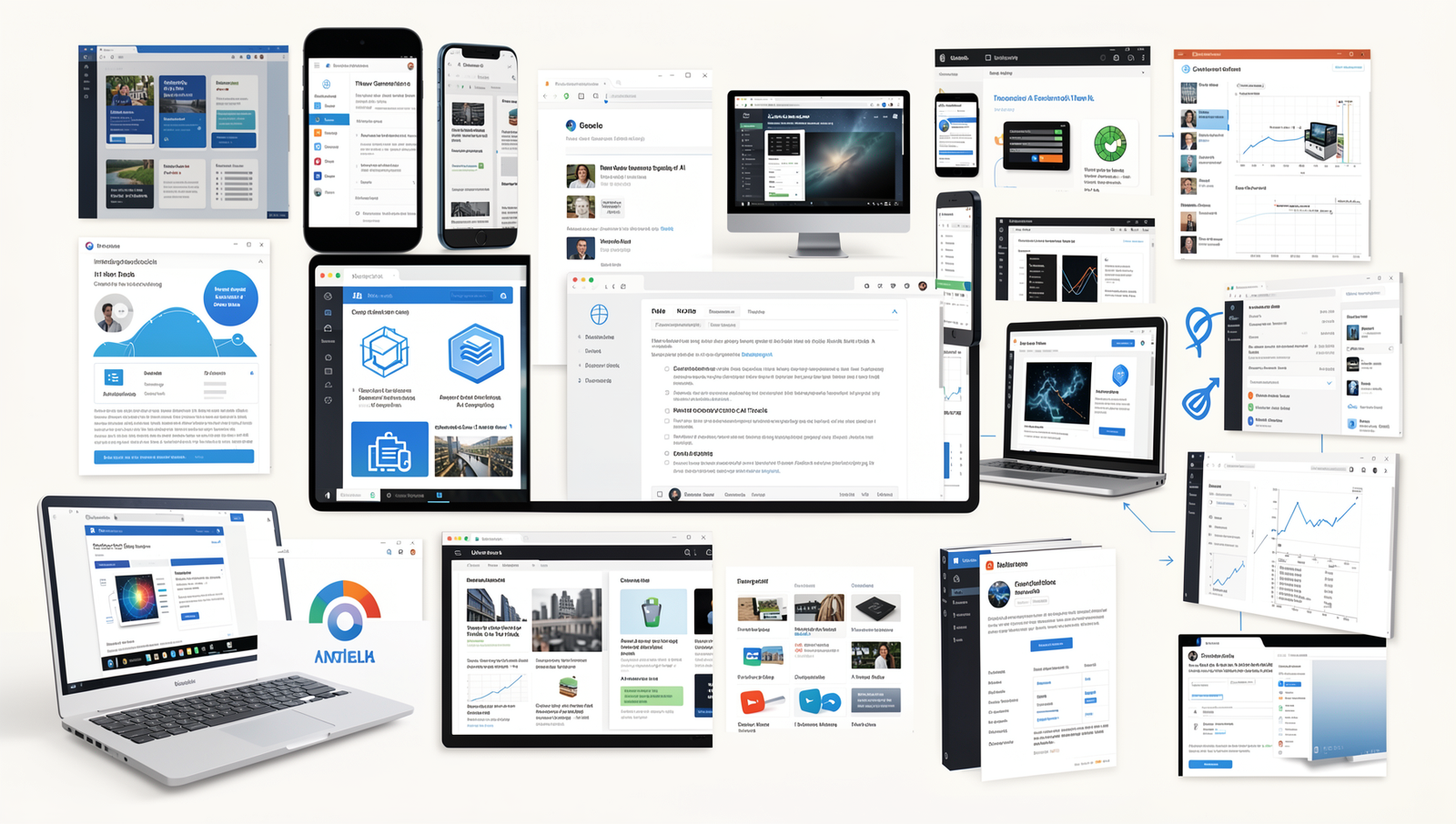
Types of AI Tools Transforming Daily Tasks
In recent years, AI tools have revolutionized the way we approach everyday tasks, making processes more efficient and user-friendly. These tools can be categorized into several types, each serving a unique purpose in enhancing productivity and communication.
- Natural Language Processing (NLP) Tools: NLP tools have significantly improved communication by enabling machines to understand and interpret human language. Applications like chatbots and virtual writing assistants help users draft emails, generate reports, and even translate languages. For instance, tools like Grammarly not only check grammar but also suggest style improvements, making written communication clearer and more effective.
- Machine Learning Applications: Machine learning plays a crucial role in data analysis, allowing users to extract insights from vast amounts of information. Tools such as Tableau and Google Analytics utilize machine learning algorithms to identify trends and patterns, enabling businesses to make data-driven decisions. For example, a marketing team can analyze customer behavior data to tailor their campaigns more effectively.
- AI-Driven Automation Tools: Automation tools powered by AI streamline repetitive tasks, freeing up time for more strategic activities. Platforms like Zapier and Microsoft Power Automate allow users to create workflows that connect various applications, automating tasks such as data entry and email notifications. This not only increases efficiency but also reduces the likelihood of human error.
- AI-Powered Personal Assistants: Personal assistants like Siri, Google Assistant, and Alexa have transformed how we interact with technology. They can manage schedules, set reminders, and even control smart home devices, making daily life more convenient. The impact of these assistants is profound, as they allow users to multitask effectively and access information quickly.
As AI tools continue to evolve, their integration into everyday computing will undoubtedly enhance our productivity and communication capabilities, making them indispensable in modern life.
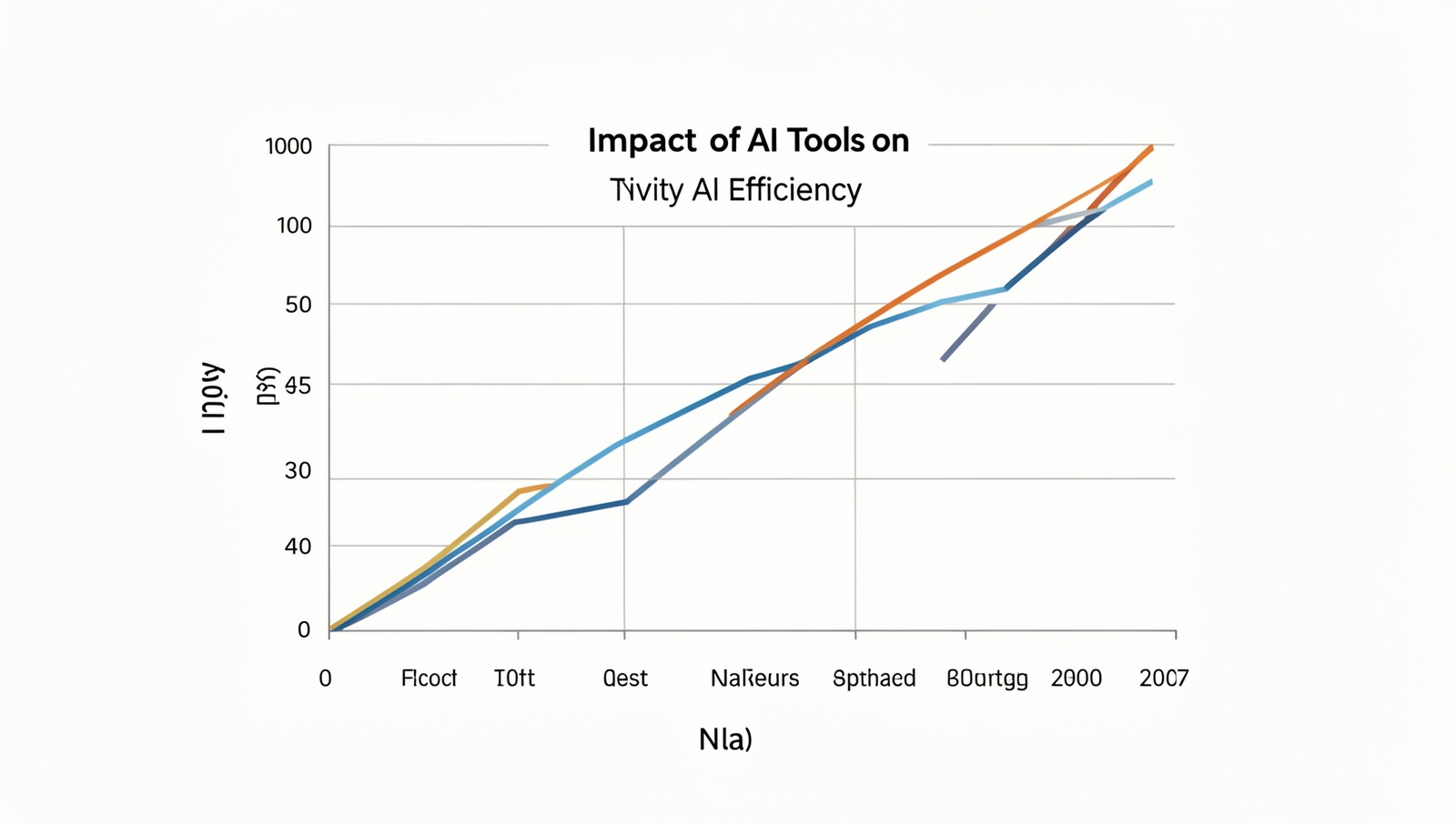
Impact of AI Tools on Productivity and Efficiency
AI tools are revolutionizing the way we approach daily tasks, significantly enhancing productivity and efficiency across various sectors. According to recent studies, businesses that have integrated AI tools into their workflows have reported an average time savings of up to 40%. This remarkable statistic underscores the potential of AI to streamline operations and reduce manual effort.
One notable case study involves a marketing firm that adopted AI-driven analytics software. By utilizing predictive analytics, the company was able to identify trends and customer preferences more accurately. As a result, they increased their campaign effectiveness by 30% while reducing the time spent on data analysis by 50%. This transformation not only improved their bottom line but also allowed their team to focus on creative strategies rather than mundane data processing.
User testimonials further illustrate the impact of AI tools on everyday tasks. A project manager shared, “Using AI for scheduling has cut my planning time in half. I can now allocate more time to strategic decision-making.” Such feedback highlights how AI tools can enhance daily workflows, making tasks more manageable and less time-consuming.
- Traditional Workflow: Manual data entry, time-consuming analysis, and repetitive tasks.
- AI-Enhanced Workflow: Automated data processing, real-time insights, and streamlined communication.
The comparison between traditional and AI-enhanced workflows clearly demonstrates the advantages of adopting AI tools. As organizations continue to embrace these technologies, the potential for increased productivity and efficiency becomes even more apparent.

Challenges and Considerations in Adopting AI Tools
As organizations and individuals increasingly integrate AI tools into their daily operations, several challenges and considerations arise that must be addressed. One of the foremost concerns is data privacy and security. With AI systems often requiring vast amounts of data to function effectively, there is a heightened risk of sensitive information being compromised. Organizations must implement robust security measures to protect user data and comply with regulations such as GDPR.
Another significant challenge is the learning curve associated with new AI tools. Many users may find it difficult to adapt to these advanced technologies, which can lead to frustration and decreased productivity. Training programs and user-friendly interfaces are essential to facilitate smoother transitions and ensure that users can leverage the full potential of AI tools.
Moreover, the potential for job displacement due to automation is a pressing concern. While AI tools can enhance efficiency and reduce operational costs, they may also render certain job roles obsolete. It is crucial for businesses to consider reskilling and upskilling their workforce to mitigate the impact of automation on employment.
Lastly, ethical considerations in AI deployment cannot be overlooked. Issues such as bias in algorithms and the transparency of AI decision-making processes raise important questions about fairness and accountability. Organizations must prioritize ethical guidelines and frameworks to ensure that AI tools are used responsibly and equitably.
- Data privacy and security risks
- Learning curve for users
- Job displacement concerns
- Ethical deployment of AI tools
Addressing these challenges is essential for the successful adoption of AI tools in everyday computing.
Conclusion
As we have explored, the new generation of AI tools is transforming everyday computing in remarkable ways. These advanced tools enhance productivity, streamline workflows, and provide personalized experiences that were once unimaginable. By leveraging machine learning and natural language processing, AI tools can automate mundane tasks, analyze vast amounts of data, and even assist in decision-making processes. This not only saves time but also allows users to focus on more strategic initiatives, ultimately driving innovation and efficiency across various sectors.
Looking ahead, the integration of AI tools into daily operations will continue to evolve. Organizations must embrace these technologies to stay competitive and meet the growing demands of their users. As AI tools become more accessible and user-friendly, the potential for widespread adoption increases. The next steps involve investing in training and resources to ensure that individuals and teams can fully harness the capabilities of these tools, paving the way for a future where AI is an integral part of our everyday computing experience.
Frequently Asked Questions
What are AI tools?
AI tools are software applications that utilize artificial intelligence technologies to perform tasks that typically require human intelligence. These tasks include data analysis, natural language processing, image recognition, and more, enabling users to automate processes and enhance decision-making.
How are AI tools changing everyday computing?
AI tools are revolutionizing everyday computing by streamlining workflows and enhancing user experiences. They can analyze vast amounts of data quickly, provide personalized recommendations, and automate repetitive tasks, making technology more intuitive and efficient for users in various fields.
Can AI tools improve personal productivity?
Yes, AI tools can significantly enhance personal productivity by automating mundane tasks, organizing schedules, and providing insights that help users make informed decisions. By reducing the time spent on repetitive activities, individuals can focus on more strategic and creative endeavors.
Are AI tools accessible to everyone?
Many AI tools are designed to be user-friendly and accessible to a broad audience, including those with limited technical skills. With the rise of cloud-based solutions and mobile applications, users can easily integrate AI tools into their daily routines without extensive training.