The Real Reason Your Internet Feels Slower at Night
 techbest@gmail.com
September 1, 2026
techbest@gmail.com
September 1, 2026

Understanding nighttime internet slowdowns.
8 min read • 1,636 words
Table of Contents
ToggleThe Real Reason Your Internet Feels Slower at Night
Have you ever noticed that your internet feels significantly slower in the evening? You’re not alone. Many users experience this frustrating phenomenon, and understanding the real reason your internet feels slower at night is crucial for optimizing your online experience. As more people return home from work and connect to the internet, network congestion becomes a common issue. This increased user activity can lead to slower speeds as many devices share the same bandwidth.
Additionally, Internet Service Providers (ISPs) may throttle speeds during peak usage times to manage bandwidth effectively. This means that even if you pay for high-speed internet, you might not receive those speeds when demand is high. Moreover, Wi-Fi signals can weaken at night due to interference from other devices and networks, further impacting your connection. In this article, we will explore these factors in detail and provide tips to improve your internet speed during peak hours.
Understanding Internet Speed
Internet speed refers to the rate at which data is transferred between your device and the internet. It is typically measured in megabits per second (Mbps). A higher Mbps indicates a faster connection, allowing for quicker downloads, smoother streaming, and more efficient browsing. However, many users experience fluctuations in their internet speed, particularly during peak hours, which leads to the common question: what is the real reason your internet feels slower at night?
Several factors can affect internet speed, including:
- Network Congestion: During the evening, more users are online, leading to increased demand on your local network and internet service provider (ISP).
- Bandwidth Limitations: Each household has a certain amount of bandwidth that can be shared among devices. More devices connected simultaneously can slow down the overall speed.
- Router Performance: The quality and age of your router can impact speed. Older routers may struggle to handle multiple connections effectively.
It’s also important to understand the difference between download and upload speeds. Download speed measures how quickly data is received from the internet, while upload speed measures how fast data is sent from your device to the internet. Many ISPs advertise high download speeds, but upload speeds can be significantly lower, which may affect activities like video conferencing or uploading files.
Common misconceptions about internet speed include the belief that a higher advertised speed guarantees better performance at all times. In reality, actual speeds can vary based on the factors mentioned above. Understanding these elements can help users better manage their expectations and troubleshoot issues when they notice their internet feels slower at night.
Peak Usage Times
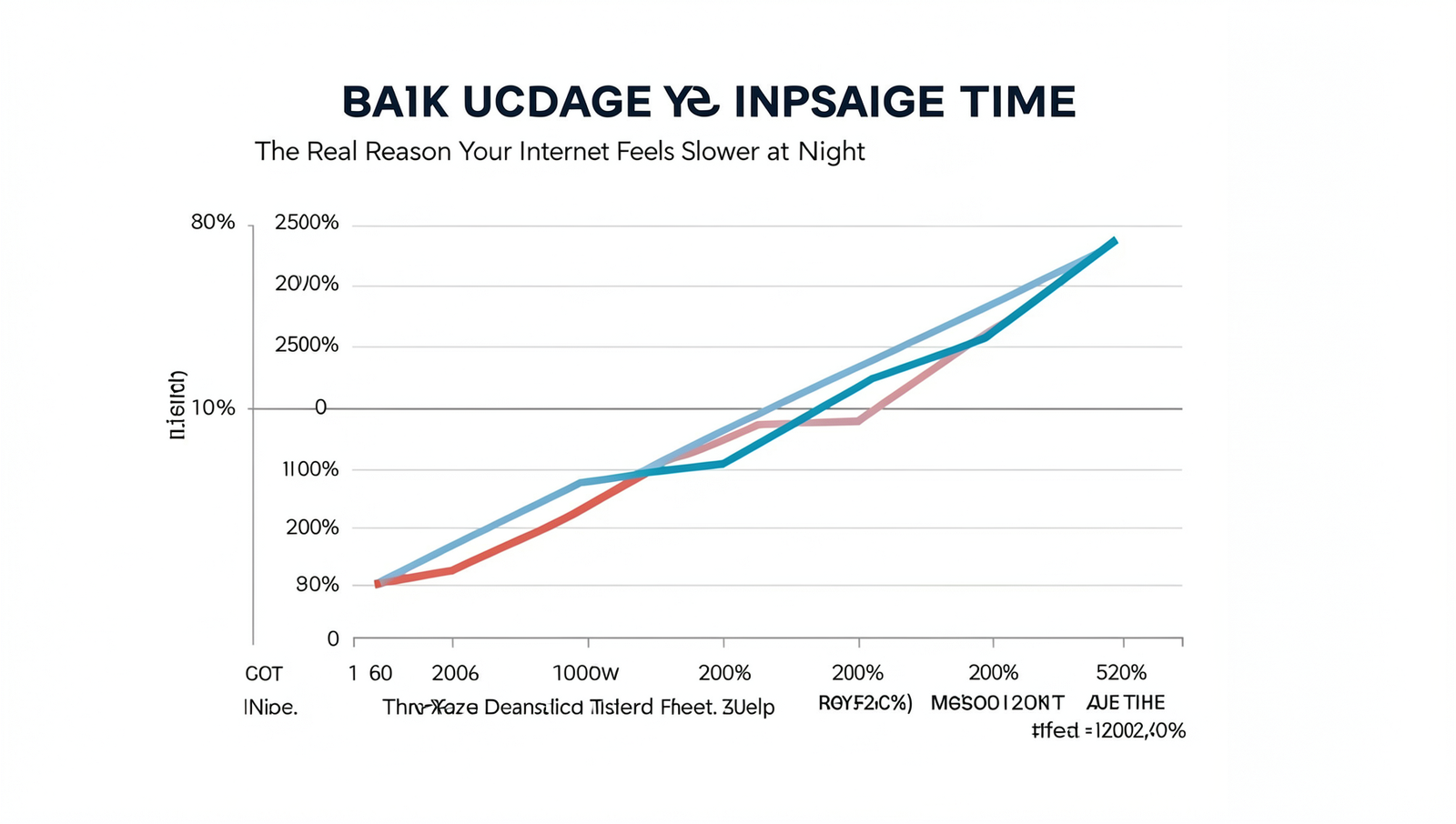
One of the primary factors contributing to the real reason your internet feels slower at night is the phenomenon of peak usage times. During the evening hours, particularly from 7 PM to 11 PM, a significant number of people are online. This surge in internet activity can lead to congestion, which ultimately affects your connection speed.
When multiple users access the internet simultaneously, they share the available bandwidth. This is especially noticeable in households with several family members streaming videos, playing online games, or engaging in video calls at the same time. The more devices connected to the network, the more the bandwidth is divided, leading to slower speeds for everyone. For example, if one person is streaming a high-definition movie while another is gaming, the internet speed may drop significantly for both activities.
In contrast, daytime usage tends to be lower, as many people are at work or school. This results in less competition for bandwidth, allowing for faster internet speeds. According to various studies, internet traffic can increase by as much as 30% during peak evening hours compared to daytime usage. This spike is particularly evident in urban areas where many households are connected to the same service provider.
- Peak hours typically occur between 7 PM and 11 PM.
- Bandwidth is shared among multiple users, impacting individual speeds.
- Daytime usage is generally lower, leading to faster connections.
- Statistics show a 30% increase in traffic during peak times.
Understanding these patterns can help you plan your internet activities better, perhaps scheduling downloads or updates for off-peak hours to ensure a smoother online experience.
Network Congestion
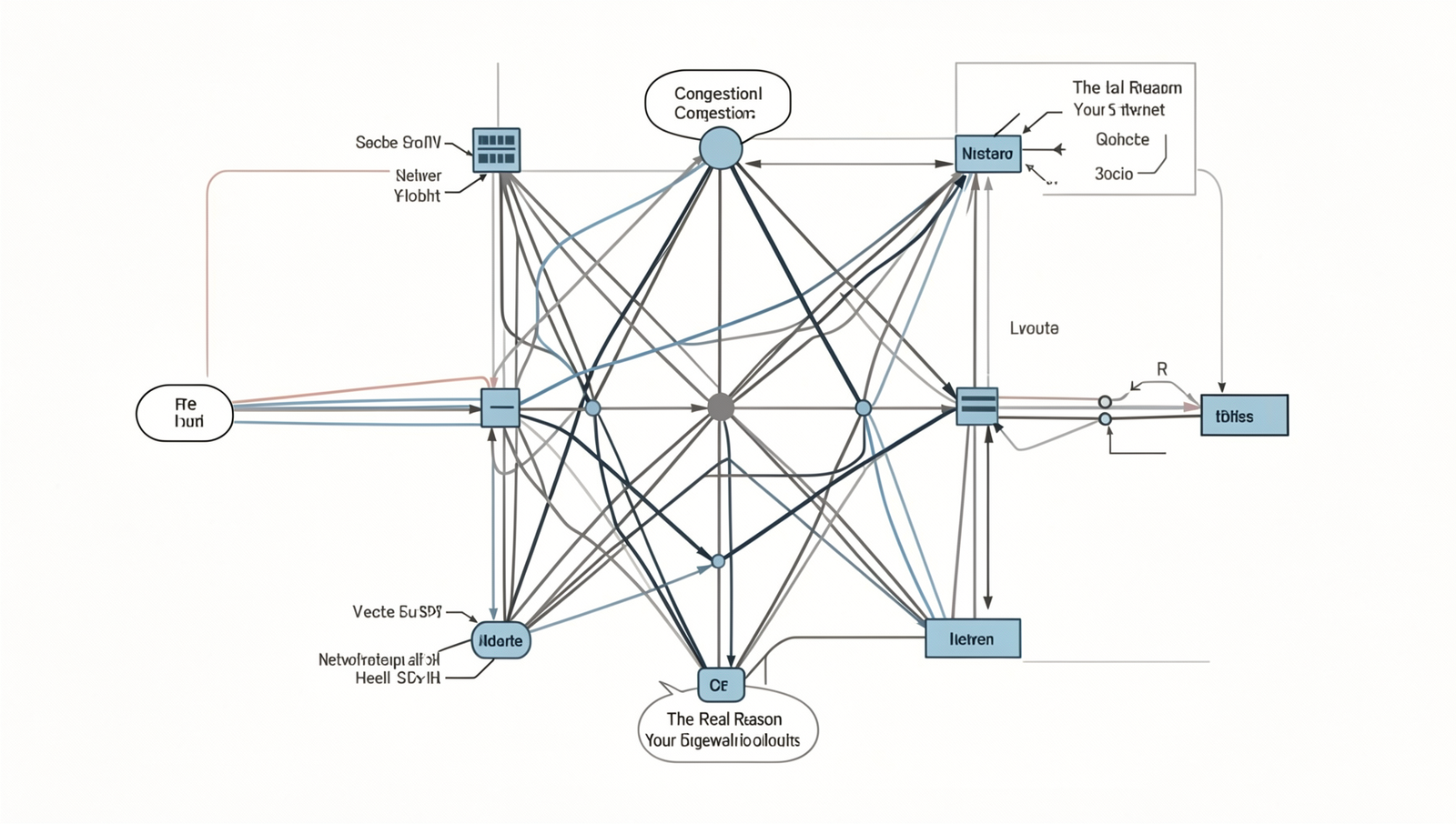
Network congestion is a phenomenon that occurs when the demand for internet bandwidth exceeds the available capacity of the network. This situation often arises during peak usage times, such as evenings when many people are streaming videos, playing online games, or engaging in video calls. As more users connect to the same network, the data packets being transmitted can become delayed or lost, leading to a noticeable slowdown in internet performance. This is the real reason your internet feels slower at night.
The effects of congestion on internet performance can be significant. Users may experience longer loading times for websites, buffering during video playback, and dropped connections during online gaming sessions. These issues can be frustrating, especially when multiple devices are connected to the same network. For example, if a family is streaming a movie on one device while another family member is gaming, the combined demand can overwhelm the network, resulting in a sluggish experience for everyone.
Internet Service Providers (ISPs) play a crucial role in managing network congestion. They often have to balance the needs of their customers with the limitations of their infrastructure. During peak hours, ISPs may implement traffic management techniques, such as throttling certain types of traffic or prioritizing specific services. This can help alleviate congestion but may also lead to dissatisfaction among users who feel their internet speeds are being unfairly limited.
To mitigate network congestion, there are several practical solutions that users can consider:
- Upgrade to a higher bandwidth plan with your ISP.
- Limit the number of connected devices during peak hours.
- Use wired connections instead of Wi-Fi for more stable performance.
- Schedule large downloads or updates for off-peak hours.
By understanding network congestion and taking proactive steps, users can improve their internet experience, even during the busiest times of the day.
Home Network Factors
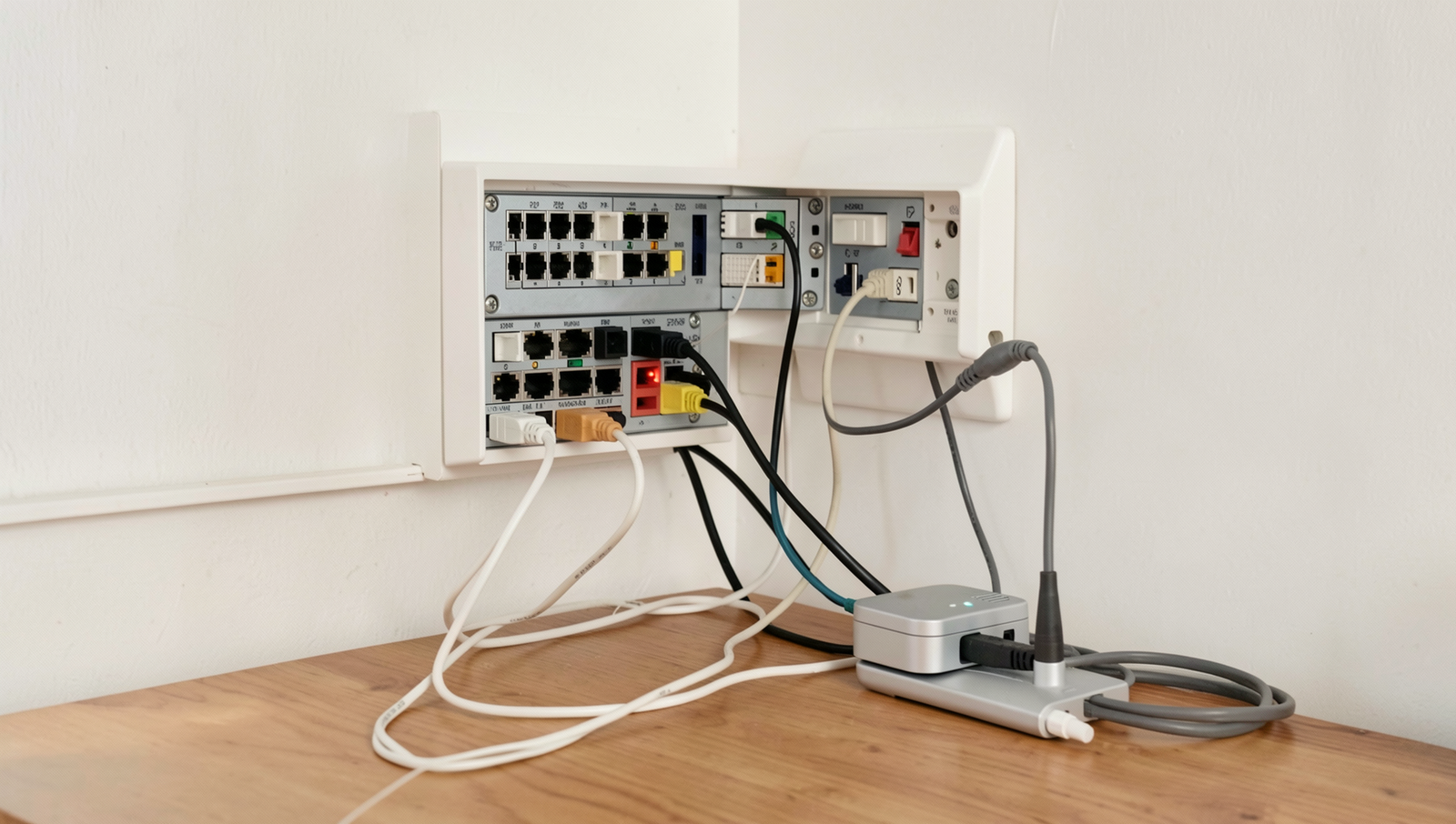
When you notice that your internet feels slower at night, one of the real reasons could be related to factors within your home network. Understanding these elements can help you troubleshoot and optimize your connection for better performance.
First, the strength of your Wi-Fi signal plays a crucial role in determining your internet speed. If you are far from your router or there are obstacles like walls and furniture, the signal may weaken, leading to slower speeds. A strong signal is essential for maintaining a fast and reliable connection, especially during peak usage times.
Another significant factor is interference from other devices and networks. Many households have multiple devices connected to the internet, such as smartphones, tablets, smart TVs, and gaming consoles. Each device consumes bandwidth, which can slow down your connection. Additionally, neighboring Wi-Fi networks can interfere with your signal, particularly if they operate on the same frequency. This is especially common in densely populated areas.
The placement and quality of your router also greatly influence your internet performance. Ideally, your router should be centrally located in your home to provide even coverage. If it’s tucked away in a corner or behind furniture, you may experience dead zones where the signal is weak. Investing in a high-quality router can also make a significant difference in speed and reliability.
To optimize your home network performance, consider the following tips:
- Place your router in a central location, away from walls and obstructions.
- Limit the number of connected devices during peak usage times.
- Change your Wi-Fi channel to reduce interference from neighboring networks.
- Upgrade to a dual-band router to take advantage of both 2.4 GHz and 5 GHz frequencies.
By addressing these home network factors, you can significantly improve your internet speed and enjoy a smoother online experience, even during those busy evening hours.
Conclusion
In summary, the real reason your internet feels slower at night is primarily due to increased network congestion. As more users log on during the evening hours, the demand for bandwidth surges, leading to slower speeds for everyone. This phenomenon is especially noticeable in households with multiple devices connected simultaneously, as streaming, gaming, and browsing all compete for limited resources. Understanding this can help you manage your internet usage better and set realistic expectations for your online activities during peak hours.
To mitigate the effects of congestion, consider scheduling bandwidth-heavy tasks for off-peak hours or upgrading your internet plan to accommodate higher speeds. Additionally, optimizing your home network by using wired connections or ensuring your router is in a central location can enhance performance. By taking these steps, you can enjoy a more reliable internet experience, even when the real reason your internet feels slower at night is due to increased demand from other users.
Frequently Asked Questions
Why does my internet slow down at night?
Internet speeds often slow down at night due to increased user activity. As more people return home from work and start using the internet for streaming, gaming, and browsing, the network becomes congested, leading to slower speeds for everyone connected.
What factors affect internet speed at night?
Several factors can impact internet speed at night, including the number of users online, the type of activities being performed, and the overall bandwidth capacity of your internet plan. Additionally, network infrastructure and local congestion can also play significant roles.
Can my internet provider help with slow speeds at night?
Your internet provider may be able to assist with slow speeds at night by offering higher bandwidth plans or optimizing network performance. They can also provide insights into peak usage times and suggest solutions to help improve your