Tech Reality Check: Features You Pay For but Rarely Use
 techbest@gmail.com
September 1, 2026
techbest@gmail.com
September 1, 2026

Exploring tech features that often go underutilized.
8 min read • 1,625 words
Table of Contents
ToggleTech Reality Check: Features You Pay For but Rarely Use
In today’s fast-paced digital world, consumers often find themselves investing in the latest technology, only to discover that many of the features they pay for go unused. This phenomenon, termed a “Tech Reality Check,” highlights the disconnect between advanced capabilities and actual user behavior. As technology continues to evolve, understanding which features are truly beneficial can help consumers make informed purchasing decisions.
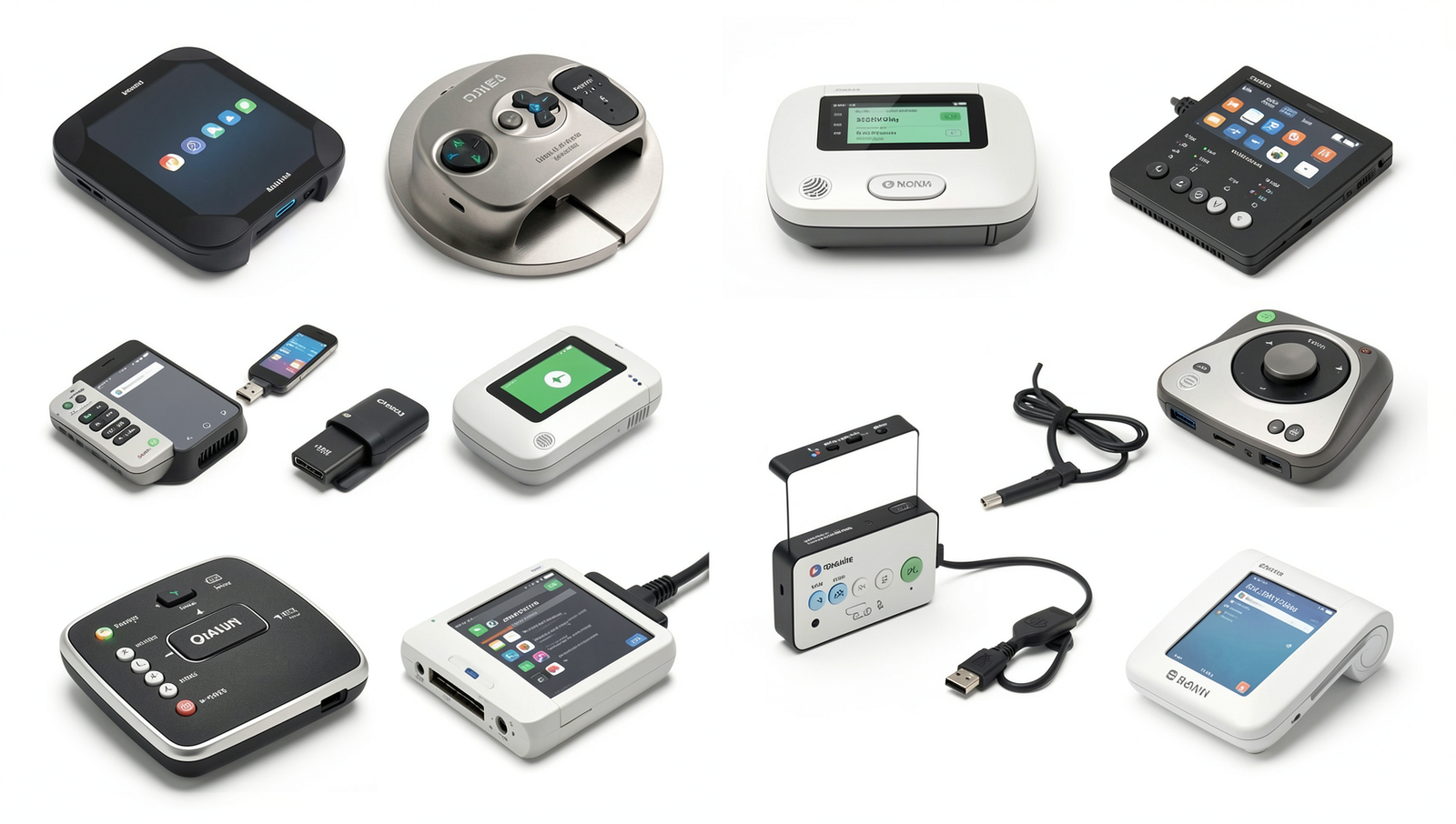
This article delves into common tech products, such as smartphones, smart TVs, fitness trackers, laptops, and smart home devices. Readers will learn about the advanced features that often go underutilized, such as high-end camera settings, streaming apps, and voice controls. By examining these trends, consumers can better assess their needs and avoid overspending on features that may not enhance their daily lives.
Introduction to Tech Features We Overlook
In today’s fast-paced technological landscape, consumers often find themselves overwhelmed by the multitude of features packed into the devices they purchase. Many of these features, while marketed as essential, end up being underutilized or even completely ignored. This phenomenon raises an important question: how many of these tech features do we actually use? The answer may surprise you.
Marketing plays a significant role in shaping our perceptions of tech products. Companies invest heavily in advertising campaigns that highlight the latest and greatest features, creating an allure that can overshadow practical usability. For instance, a smartphone may boast advanced camera capabilities, augmented reality applications, and voice-activated assistants, but how many users actually take advantage of these functionalities on a daily basis?
Understanding consumer behavior is crucial in this context. Many buyers are drawn to the idea of owning cutting-edge technology, often prioritizing flashy features over practical needs. This can lead to a disconnect between what consumers expect from their devices and what they actually use. A recent survey indicated that over 60% of smartphone users never utilize features like mobile payments or health tracking, despite these being key selling points.
As we delve deeper into this topic, it’s essential to analyze specific features that often go unused. By examining these overlooked aspects, we can gain insights into how marketing influences our tech purchases and ultimately challenge the notion that more features equate to better products. This Tech Reality Check aims to shed light on the features we pay for but rarely use, encouraging consumers to make more informed decisions in the future.
Commonly Overlooked Features in Smartphones
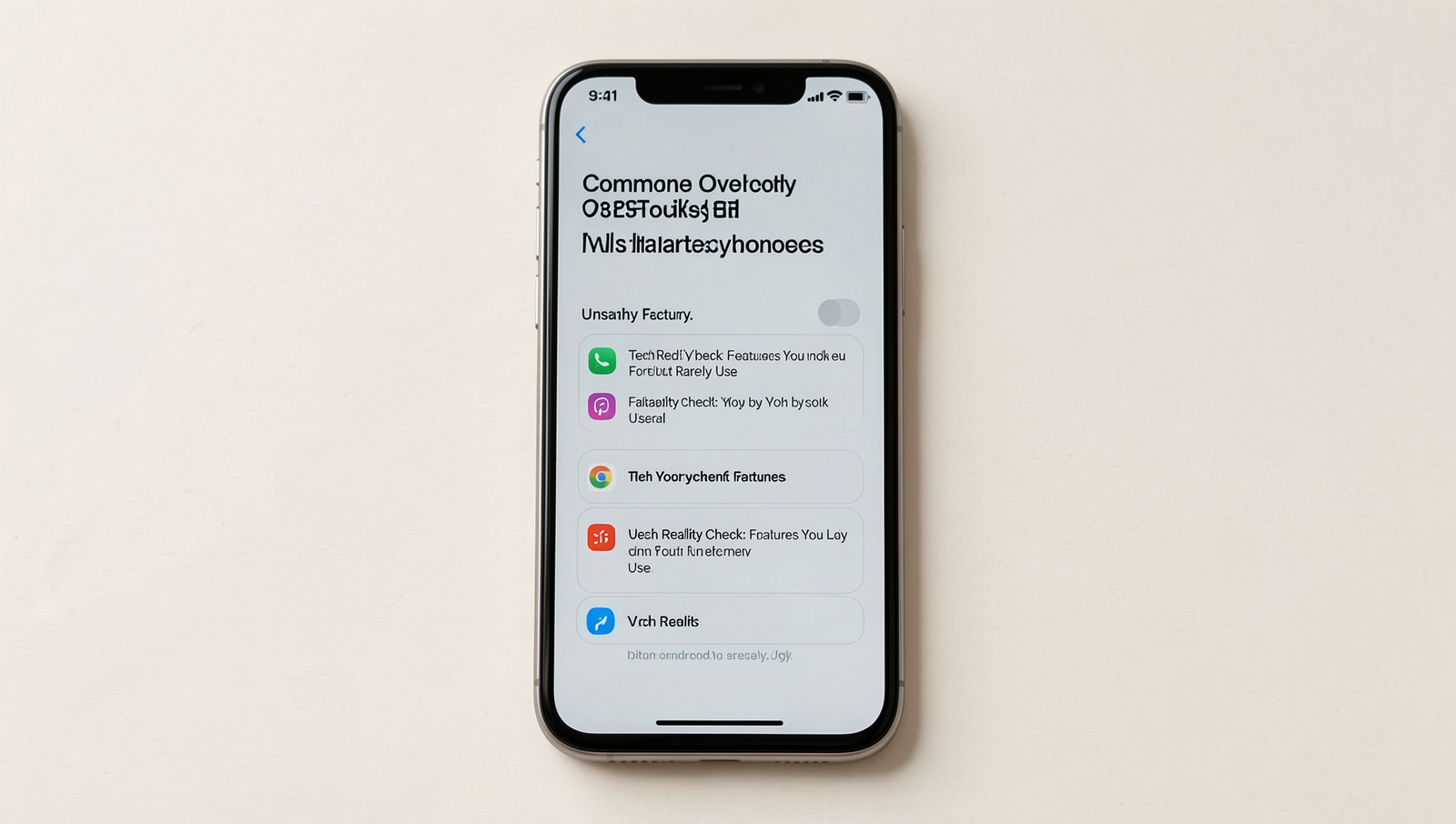
In today’s fast-paced technological landscape, smartphones come packed with a myriad of features designed to enhance user experience. However, many of these features often go unnoticed or underutilized, leading to a disconnect between what users pay for and what they actually use. This phenomenon can be referred to as a “Tech Reality Check.” Here are some commonly overlooked features in smartphones that many users may not fully exploit.
- Advanced Camera Settings: While most users rely on the standard camera settings for quick snaps, advanced features such as manual focus, exposure control, and RAW image capture are often ignored. For instance, a photography enthusiast could benefit from using these settings to create stunning images, yet many users stick to automatic modes.
- Health Tracking Apps: Many smartphones come equipped with health tracking applications that monitor fitness levels, heart rate, and sleep patterns. Despite their potential to promote healthier lifestyles, users frequently overlook these tools. For example, a user might download a fitness app but fail to engage with its daily tracking features.
- Voice Assistant Capabilities: Voice assistants like Siri, Google Assistant, and Alexa offer a range of functionalities, from setting reminders to controlling smart home devices. However, many users only scratch the surface of what these assistants can do, often forgetting to utilize voice commands for tasks like sending messages or making calls.
- Customization Options: Smartphones allow for extensive customization, from changing wallpapers to adjusting notification settings. Yet, many users stick to default settings, missing out on the opportunity to personalize their devices to better suit their preferences.
By exploring these overlooked features, users can maximize their smartphone experience and truly get their money’s worth. Embracing the full potential of these devices can lead to a more satisfying and productive digital life.
Smart Home Devices: The Features You Don’t Use
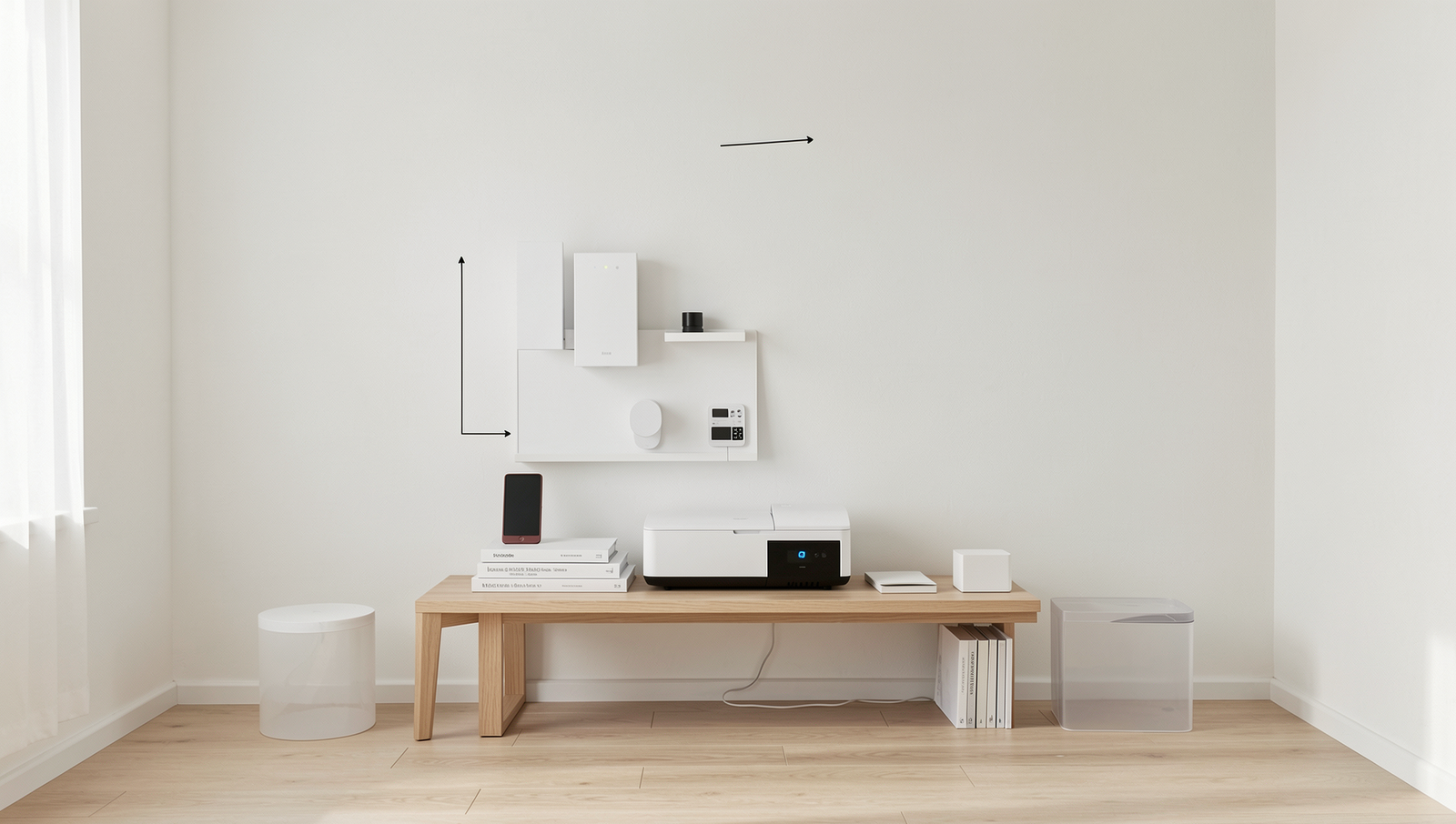
In the realm of smart home devices, many users find themselves overwhelmed by a plethora of features that they seldom utilize. This phenomenon raises the question: are we truly getting value for our money? A Tech Reality Check reveals several features that often go underused, leaving consumers questioning their investment.
One of the most common culprits is complex automation settings. While the idea of programming your lights to turn on at sunset or your thermostat to adjust based on your schedule sounds appealing, many users find these settings confusing. As a result, they either abandon the automation altogether or never take full advantage of it. The initial excitement fades, leaving a device that functions far below its potential.
Voice control features are another aspect that often remains dormant. Although devices like smart speakers offer voice activation, users frequently revert to manual controls. This can stem from a lack of familiarity with the voice commands or simply a preference for traditional methods. The convenience of hands-free operation is often overshadowed by the effort required to learn and remember the commands.
- Energy monitoring tools are frequently ignored, despite their potential to save money on utility bills.
- Integration with other smart devices is often not fully utilized, leading to missed opportunities for enhanced functionality.
For instance, a smart thermostat may be capable of communicating with smart blinds to optimize energy use, but many users do not take the time to set up this integration. This results in a missed opportunity for improved efficiency and convenience.
In conclusion, while smart home devices offer a range of advanced features, many remain underutilized. A Tech Reality Check encourages users to explore these capabilities fully to maximize their investment.
Software and Applications: The Hidden Costs of Unused Features
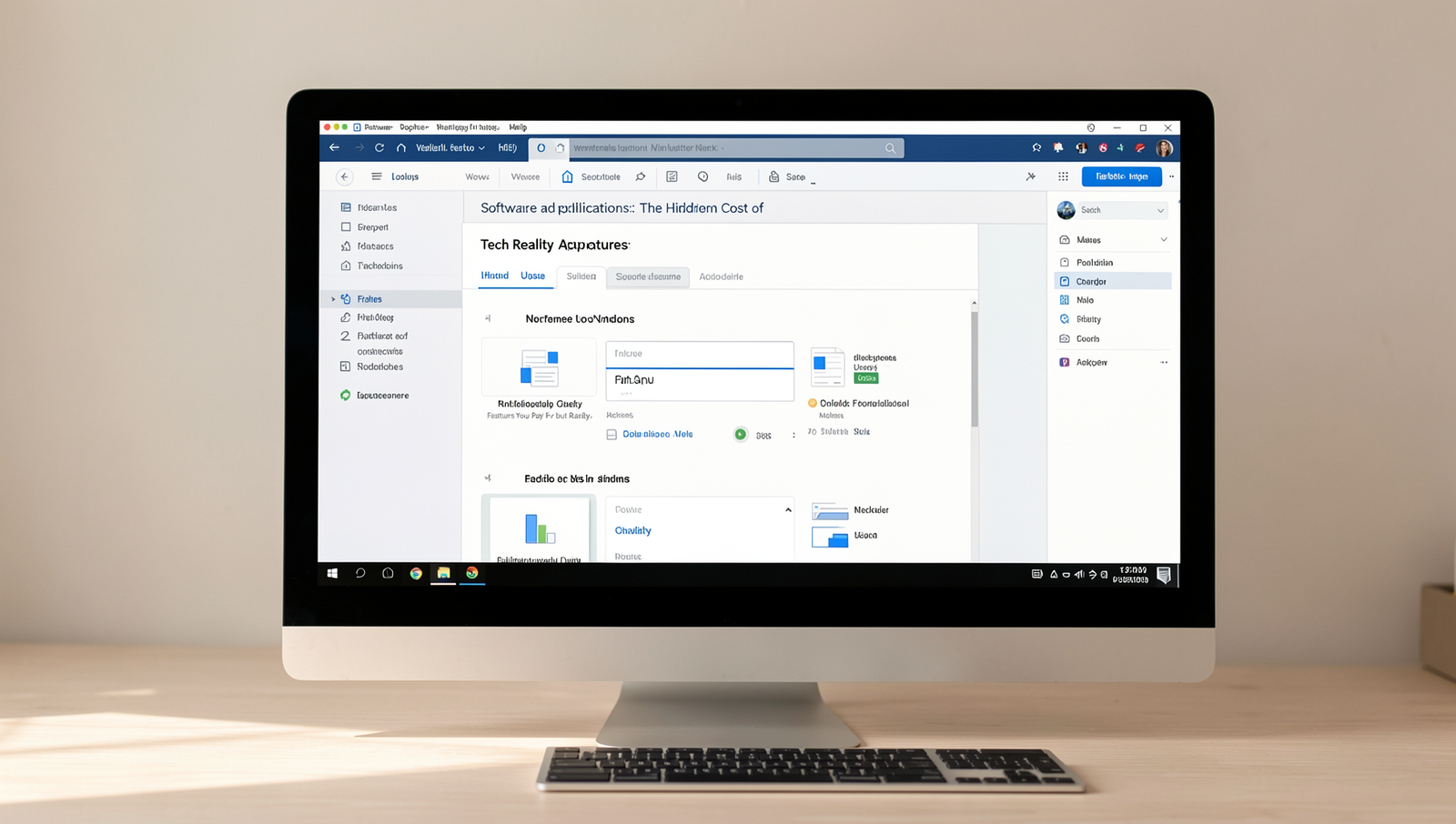
In today’s tech-driven world, subscription services often come packed with a plethora of features that users may never fully utilize. This phenomenon is particularly evident in software and applications, where the promise of advanced functionalities can lead to a paradox of choice. Users find themselves overwhelmed by options, ultimately leading to feature paralysis.
Take productivity tools, for example. Many users subscribe to platforms like Notion or Trello, which boast a wide array of advanced functions such as automation, integrations, and analytics. However, studies show that a significant percentage of users stick to basic features, leaving the more complex tools untouched. This not only raises questions about the value of these subscriptions but also highlights the hidden costs associated with unused features.
Microsoft Office: Many users only utilize basic word processing and spreadsheet capabilities, ignoring advanced functions like macros and pivot tables.Adobe Creative Cloud: While it offers powerful design tools, many users only engage with a fraction of the available applications.- Gaming platforms often introduce features like in-game chat, guild systems, or advanced matchmaking. Yet, many players prefer to stick to the core gameplay mechanics, leaving these features dormant.
This tech reality check reveals a critical insight: while we pay for these extensive features, the actual usage often falls short. As consumers, it’s essential to evaluate whether the additional functionalities are genuinely beneficial or simply contributing to a cluttered experience that we rarely engage with.
Conclusion
In the ever-evolving landscape of technology, the “Tech Reality Check” serves as a crucial reminder for consumers to evaluate the features they are paying for but seldom utilize. Many devices and software come packed with a plethora of functionalities that may seem appealing at first glance but often go unused in daily life. By identifying these superfluous features, users can make more informed purchasing decisions, ensuring they invest in technology that truly enhances their productivity and enjoyment.
As we move forward, it is essential to prioritize practicality over novelty. Consumers should take the time to assess their actual needs and seek out products that align with their lifestyle. By doing so, they can avoid unnecessary expenses and focus on technology that genuinely adds value. Embracing a “Tech Reality Check” mindset will not only lead to smarter purchases but also foster a more satisfying and efficient tech experience in the long run.
Frequently Asked Questions
What are some common features in smartphones that users rarely utilize?
Many smartphone users rarely utilize features such as NFC for mobile payments, advanced camera settings, or voice assistants. Despite their presence, these features often go unused due to a lack of understanding or simply because users prefer basic functionalities.

Why do companies include rarely used features in their products?
Companies often include rarely used features to differentiate their products in a competitive market. These features can enhance perceived value, attract tech-savvy consumers, and justify higher price points, even if the average user may not take full advantage of them.
How can I determine if a feature is worth paying for?
To determine if a feature is worth paying for, consider your personal needs and usage patterns. Research reviews, ask friends, and evaluate whether the feature aligns with your lifestyle. Prioritize features that enhance your daily experience over those that seem trendy.
Are there any tools to help track feature usage?
Yes, there are several apps and built-in settings on smartphones that can track feature usage. Tools like usage analytics in settings or third-party apps can provide insights into which features you use most, helping you make informed decisions about future purchases.