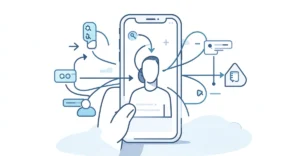
Beyond Passwords: The Next Era of Digital Security
 techbest@gmail.com
September 2, 2026
techbest@gmail.com
September 2, 2026
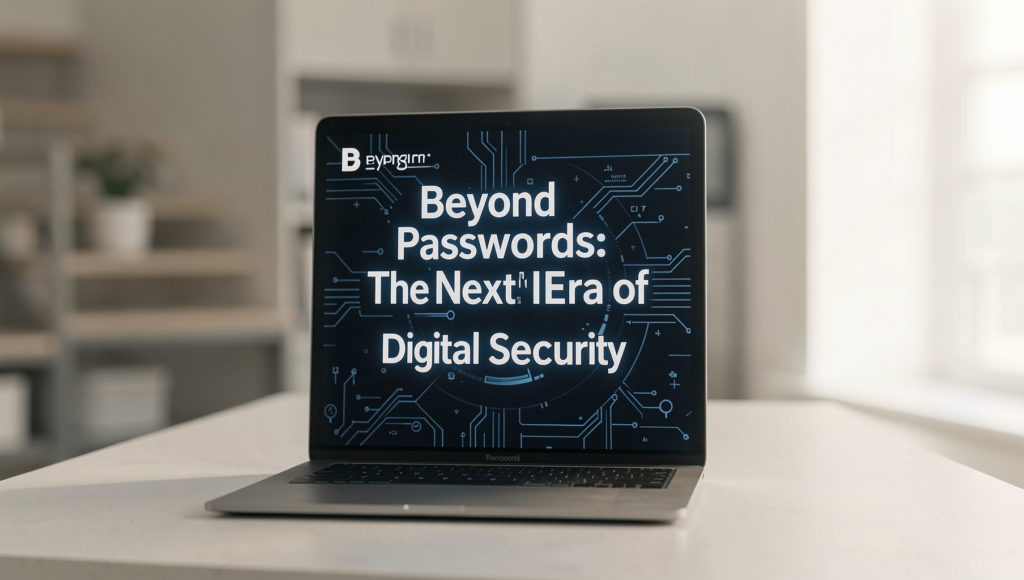
Exploring the future of digital security beyond traditional passwords.
8 min read • 1,637 words
Table of Contents
ToggleBeyond Passwords: The Next Era of Digital Security
As the digital landscape evolves, so too must our approaches to digital security. Traditional passwords are increasingly inadequate in protecting sensitive information, leading to a surge in innovative security measures. This article delves into the next era of digital security, highlighting the importance of adopting advanced authentication methods. Readers will learn about the rise of biometric authentication, which utilizes fingerprints and facial recognition, as well as the growing popularity of passwordless options like magic links and one-time codes.
Moreover, we will explore how multi-factor authentication (MFA) significantly mitigates the risk of unauthorized access by requiring multiple forms of verification. Security keys, such as YubiKey, add a physical layer of protection that is resistant to phishing attacks. Additionally, decentralized identity solutions are emerging, empowering users to control their own identity without relying on centralized databases. Understanding these advancements is crucial for anyone looking to enhance their digital security.
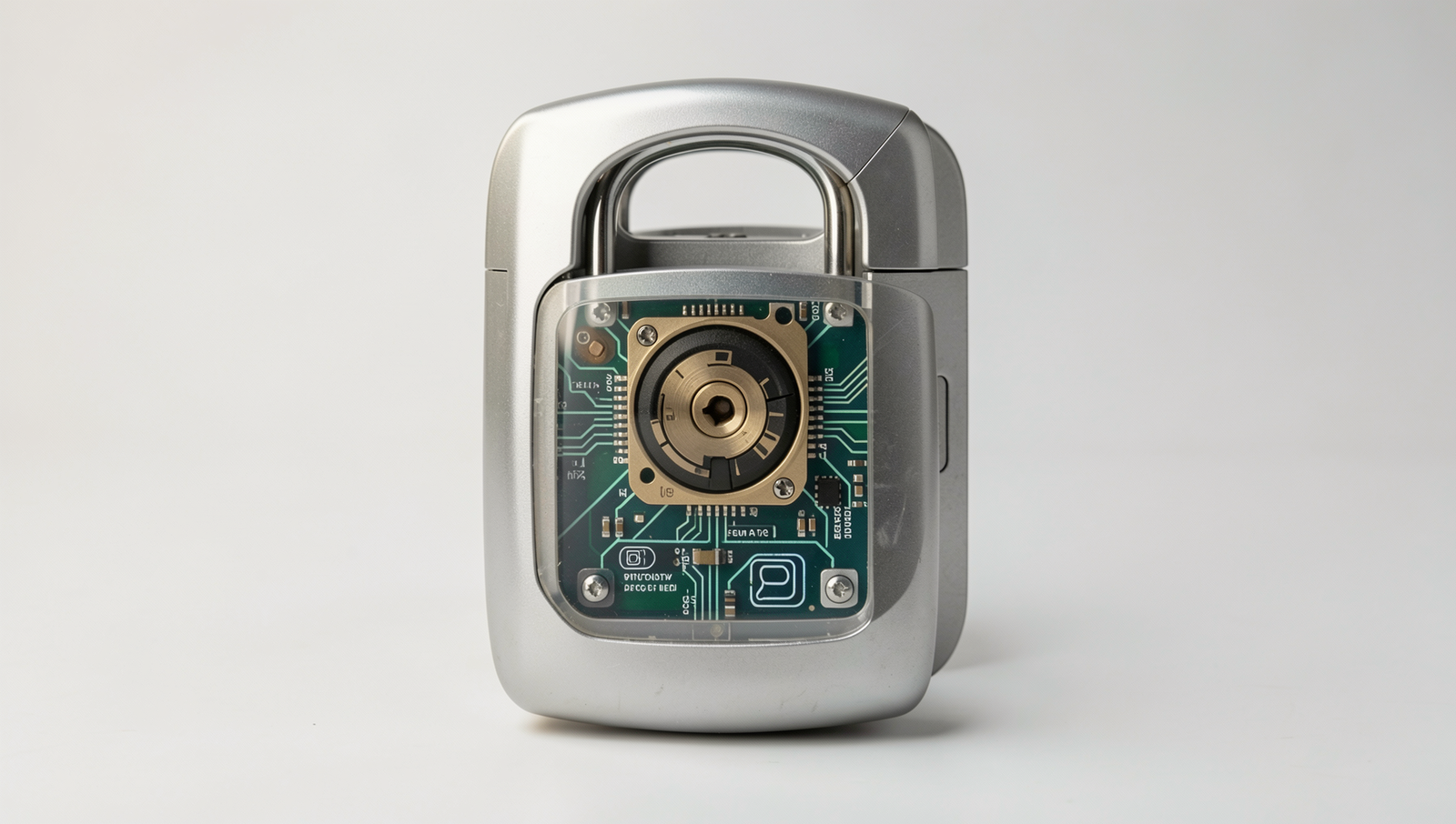
Introduction to Digital Security Evolution
In the digital age, passwords have long been the cornerstone of online security. They serve as the primary means for users to authenticate their identities and protect sensitive information. Traditional password systems typically require users to create a unique combination of letters, numbers, and symbols, which they must remember and input each time they access their accounts. While this method has provided a basic level of security, it is increasingly becoming inadequate in the face of evolving cyber threats.
One of the major limitations of traditional password systems is their vulnerability to various forms of attacks. Cybercriminals employ techniques such as phishing, brute force attacks, and credential stuffing to compromise user accounts. For instance, a single data breach can expose millions of passwords, allowing attackers to easily gain unauthorized access to multiple accounts. Additionally, many users struggle with password fatigue, leading them to reuse passwords across different platforms, further exacerbating security risks.
The rise of cyber threats and data breaches has underscored the urgent need for a paradigm shift in digital security. According to recent statistics, over 60% of small businesses have experienced a cyber attack, and the average cost of a data breach can reach into the millions. This alarming trend highlights the inadequacy of relying solely on passwords to safeguard sensitive information.
- Increased sophistication of cyber attacks
- Growing number of data breaches
- Users’ difficulty in managing multiple complex passwords
As a result, the digital security landscape is evolving towards more robust solutions. Innovations such as multi-factor authentication (MFA), biometric verification, and passwordless authentication methods are gaining traction. These technologies not only enhance security but also improve user experience by reducing the reliance on traditional passwords. The transition to these advanced security measures is essential for protecting sensitive data in an increasingly interconnected world.
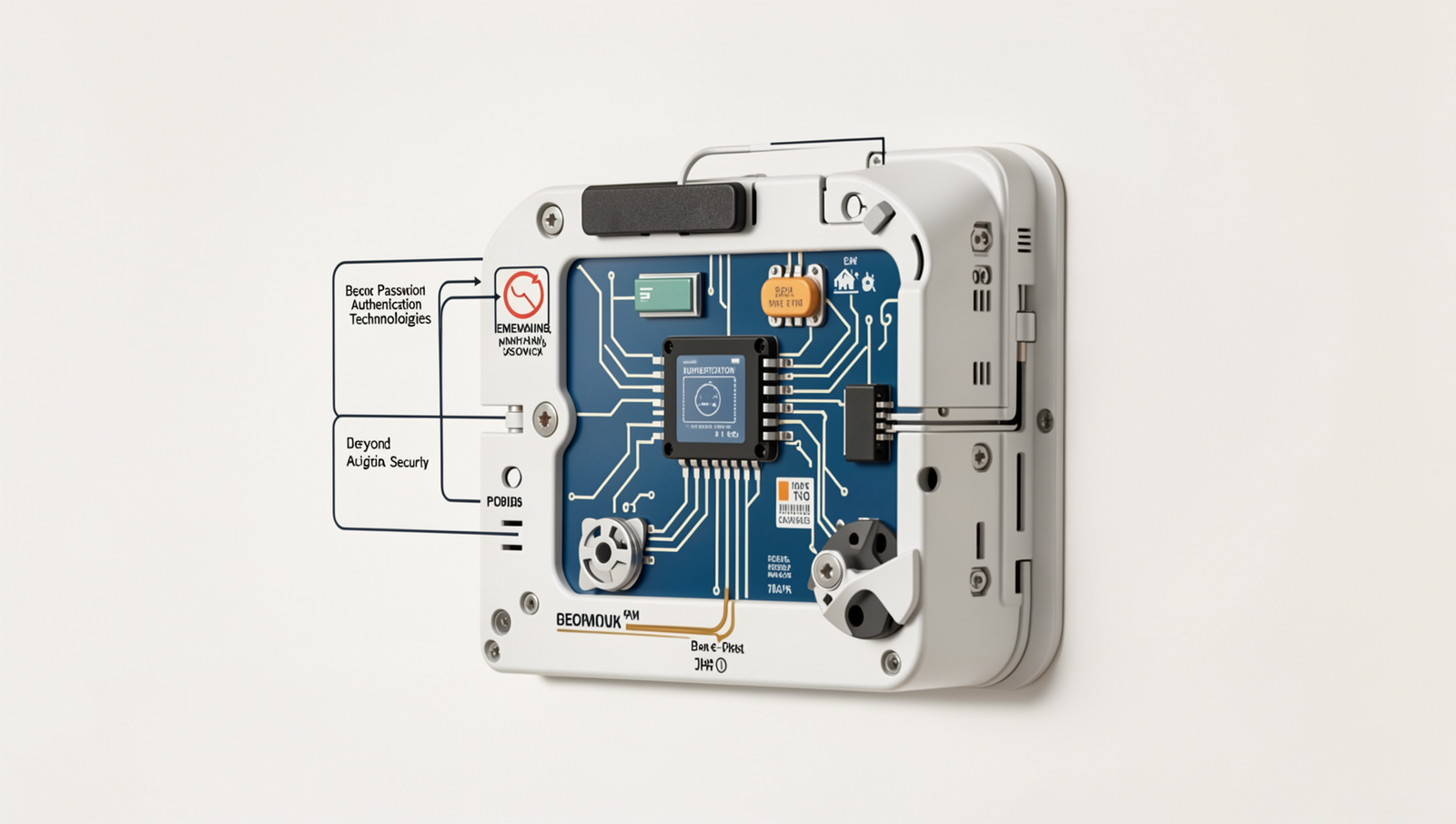
Emerging Authentication Technologies
As the landscape of digital security evolves, emerging authentication technologies are becoming crucial in safeguarding sensitive information. Traditional password systems are increasingly being replaced by more sophisticated methods that enhance security and user experience. Among these, biometric authentication methods, such as fingerprint and facial recognition, are gaining prominence.
Fingerprint authentication is widely used in smartphones and laptops, allowing users to unlock their devices with a simple touch. This method is not only convenient but also difficult to replicate, making it a secure option. Similarly, facial recognition technology has advanced significantly, enabling devices to recognize users based on their unique facial features. This technology is now utilized in various applications, from unlocking phones to securing access to sensitive areas in organizations.
Another innovative approach is behavioral biometrics, which analyzes user patterns to authenticate identity. This method considers factors such as typing speed, mouse movements, and even the way a user holds their device. By creating a unique profile based on these behaviors, systems can detect anomalies that may indicate fraudulent activity. For example, if a user typically types at a certain speed and suddenly types much faster or slower, the system may flag this as suspicious.
Multi-factor authentication (MFA) is also becoming essential in digital security. MFA requires users to provide two or more verification factors to gain access to an account, significantly reducing the risk of unauthorized access. Common factors include something the user knows (a password), something the user has (a smartphone app or hardware token), and something the user is (biometric data). This layered approach ensures that even if one factor is compromised, the account remains secure.
Lastly, decentralized identity solutions using blockchain technology are emerging as a revolutionary way to manage digital identities. By allowing users to control their own identity data, these solutions enhance privacy and security. Users can share only the necessary information with service providers, reducing the risk of data breaches. For instance, a user could verify their age without disclosing their full identity, thus maintaining privacy while still meeting security requirements.

User Experience and Security Balance
As organizations strive to enhance their digital security, they face the challenge of implementing new measures without compromising user experience. The traditional reliance on passwords has proven inadequate, prompting the exploration of advanced authentication methods such as biometrics, two-factor authentication (2FA), and passwordless solutions. However, these innovations often come with their own set of challenges.
One significant challenge is the potential friction introduced into the user experience. For instance, while biometric authentication can enhance security, it may also raise concerns about privacy and accessibility. Users may feel uncomfortable sharing their biometric data, and individuals with disabilities may find it difficult to use certain biometric systems. This can lead to frustration and a reluctance to adopt new technologies.
- Impact on User Convenience: Enhanced security measures can sometimes complicate the login process, leading to longer wait times and increased user frustration.
- Accessibility Issues: Not all users can easily engage with advanced security features, which may exclude certain demographics.
To strike a balance between security and user experience, organizations can adopt several strategies. First, they should prioritize user education, ensuring that users understand the importance of security measures and how to use them effectively. Additionally, offering multiple authentication options can cater to diverse user needs, allowing individuals to choose the method that works best for them.
Successful case studies illustrate the effectiveness of user-friendly security implementations. For example, companies like Google have integrated security keys and biometric authentication into their platforms, significantly reducing account breaches while maintaining a seamless user experience. Similarly, financial institutions have adopted voice recognition technology, allowing users to authenticate transactions without the hassle of remembering complex passwords.
Ultimately, the next era of digital security hinges on finding the right balance between robust protection and user convenience. By considering user feedback and continuously refining security measures, organizations can foster a safer digital environment that users are willing to embrace.
Future Trends in Digital Security
As we look ahead to the next decade, the landscape of digital security is poised for significant transformation. With the rapid evolution of technology, several key trends are expected to shape the future of digital security. One of the most notable predictions is the increased reliance on biometric authentication methods. Fingerprints, facial recognition, and even voice recognition are becoming more prevalent, offering a more secure alternative to traditional passwords.
Artificial intelligence (AI) will play a crucial role in enhancing threat detection and response capabilities. AI algorithms can analyze vast amounts of data in real-time, identifying patterns and anomalies that may indicate a security breach. For instance, machine learning models can be trained to recognize typical user behavior, allowing them to flag unusual activities that could signify a cyber attack. This proactive approach to security will enable organizations to respond to threats more swiftly and effectively.
The integration of security measures in Internet of Things (IoT) devices is another critical trend. As more devices become interconnected, the potential attack surface expands, making it essential to embed security protocols directly into these devices. For example, smart home devices will increasingly include features such as automatic firmware updates and built-in encryption to protect user data from unauthorized access.
However, as digital security advances, legal and ethical considerations must also be addressed. The collection and use of biometric data raise questions about privacy and consent. Organizations must navigate the complexities of data protection regulations while ensuring that their security measures do not infringe on individual rights. Additionally, the ethical implications of AI in security, such as algorithmic bias and accountability, will require careful scrutiny.
- Increased use of biometric authentication methods
- AI-driven threat detection and response
- Enhanced security in IoT devices
- Legal and ethical considerations in data usage
In conclusion, the future of digital security will be characterized by innovative technologies and a heightened awareness of ethical implications. Organizations must adapt to these changes to safeguard their digital environments effectively.
Conclusion
As we move beyond traditional passwords, the next era of digital security promises to enhance user protection and streamline access to online services. The shift towards biometric authentication, multi-factor authentication, and decentralized identity systems offers significant benefits, including improved security against unauthorized access and reduced risk of data breaches. These advanced methods not only make it harder for cybercriminals to exploit vulnerabilities but also simplify the user experience by minimizing the need to remember complex passwords.
Looking ahead, organizations must prioritize the implementation of these innovative security measures to stay ahead of evolving threats. By investing in robust digital security solutions and educating users about best practices, businesses can foster a safer online environment. The transition to a passwordless future is not just a technological upgrade; it represents a fundamental shift in how we approach digital security, ensuring that both individuals and organizations can navigate the digital landscape with confidence.
Frequently Asked Questions